The medicine from the Amazon rainforest is one of the most fascinating connections between biodiversity, traditional knowledge, and modern scientific research. For thousands of years, Indigenous peoples and local communities have used Amazonian plants as part of traditional healthcare, preparing leaves, roots, bark, seeds, flowers, fruits, resins, and other plant materials in carefully developed ways.
Today, scientists continue to investigate Amazonian plants for biologically active compounds that could contribute to medicines, pharmaceutical research, cosmetics, nutritional products, and other applications. Some compounds derived from plants associated with tropical forests have already contributed to modern medicine, while thousands of other plants remain incompletely studied.
The Amazon should not be thought of simply as a giant natural pharmacy. A plant being traditionally used for a particular condition does not automatically mean that it has been clinically proven to treat that condition. Modern medicines require rigorous identification, chemical analysis, laboratory testing, toxicology studies, clinical research, standardized dosing, and regulatory evaluation.
Nevertheless, the Amazon is exceptionally important because its extraordinary plant diversity creates an enormous natural library of chemical compounds. Research continues to investigate this biodiversity, while Indigenous knowledge can provide valuable clues about which plants deserve scientific attention.
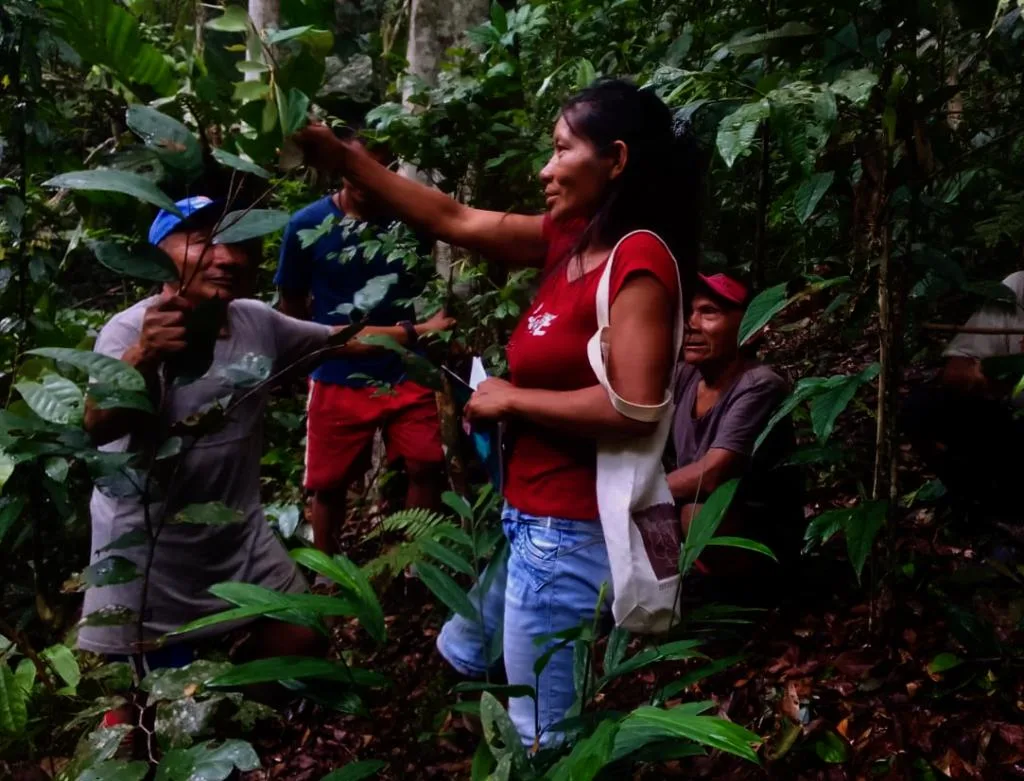
What Is Medicine from the Amazon Rainforest?
Medicine from the Amazon rainforest refers broadly to medicinal plants, traditional remedies, natural compounds, and pharmaceutical discoveries associated with Amazonian biodiversity and traditional healthcare systems.
The concept has several different meanings.
First, it can refer to traditional Amazonian medicine, in which communities use locally available plants and other natural materials to address health problems.
Second, it can describe medicinal plants of the Amazon rainforest that have been studied scientifically for their chemical constituents or biological activity.
Third, it can refer to modern pharmaceutical substances that originated from, or were inspired by, natural compounds found in tropical plants.
These three categories should not be confused. A traditional remedy is not automatically a pharmaceutical medicine, and a plant that shows promising activity in a laboratory is not automatically an approved treatment.
The Amazon as a Natural Chemical Library
Plants cannot move away from predators, insects, fungi, bacteria, or competing vegetation. As a result, they produce thousands of natural chemicals that help them survive.
Some of these substances can interact with biological systems in ways that are interesting to scientists.
This is one reason Amazonian biodiversity matters to modern medicine. Researchers are interested not only in plants traditionally used as remedies but also in their secondary metabolites, including alkaloids, terpenes, flavonoids, tannins, glycosides, polyphenols, and other compounds.
Medicinal Plants of the Amazon Rainforest
The medicinal plants of the Amazon rainforest represent a huge botanical and cultural field. Traditional communities may use different parts of the same plant for different purposes, while different communities can have completely different knowledge about the same species.
Medicinal plant studies in Amazonian communities have documented the use of numerous species, including trees, palms, vines, shrubs, herbs, and smaller plants. One study of an Amazonian community, for example, documented 119 medicinal plant species, demonstrating how extensive local plant knowledge can be.
Commonly discussed Amazonian medicinal plants include:
- Cat’s claw
- Sangre de grado
- Cinchona
- Jaborandi
- Guayusa
- Copaiba
- Chacruna
- Matico
- Lapacho
- Suma
- Various aromatic and bitter herbs
- Numerous locally specific plants known by Indigenous names
The exact traditional use, preparation, dosage, and cultural meaning of these plants can vary considerably.
Amazon Rainforest Herbs
The term Amazon rainforest herbs includes plants used traditionally as teas, infusions, poultices, washes, aromatic preparations, or other forms of traditional medicine.
Some Amazonian medicinal plants are not technically herbs in the botanical sense. They may actually be trees or climbing vines. However, “Amazon rainforest herbs” is a useful search term because many people use the word herb broadly to describe plants used for natural remedies.
Common forms of traditional preparation include:
- Herbal infusions
- Decoctions
- Plant juices
- Crushed leaves
- Bark preparations
- Root preparations
- Poultices
- Resins
- Plant oils
- Steam preparations
- Topical applications
Traditional preparation methods are important because the chemical composition of a plant can vary according to the plant part, maturity, season, preparation method, and concentration.
Why Preparation Matters
Two preparations made from the same species can have very different chemical profiles.
A tea made from leaves is not necessarily equivalent to an extract made from roots. A diluted traditional preparation is not equivalent to a concentrated commercial extract.
This distinction is particularly important when discussing medicinal plants because natural does not automatically mean safe.
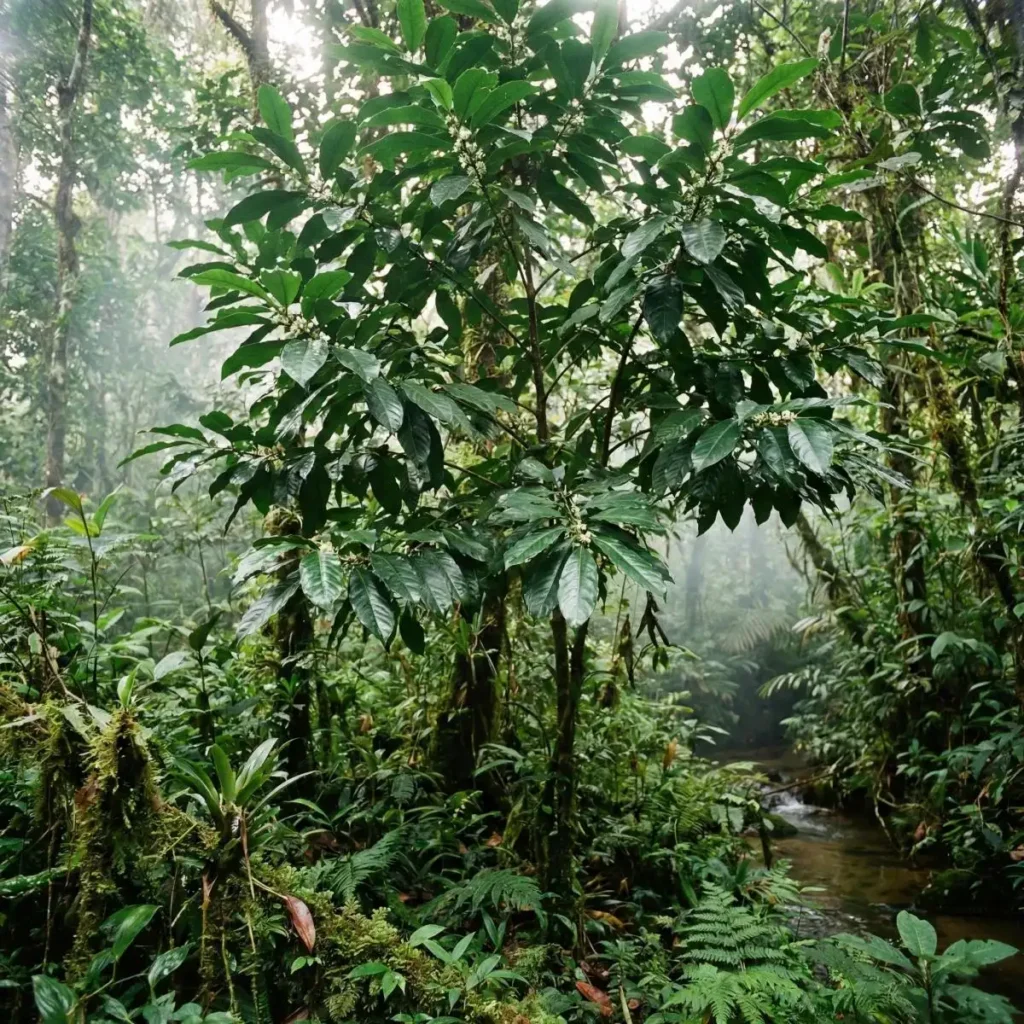
How Amazon Plants Have Been Used in Traditional Medicine
Traditional medicine in the Amazon developed through generations of observation, experience, cultural transmission, and relationships with the forest.
Indigenous communities developed knowledge about which plants were useful, which plant parts should be collected, how they should be prepared, and when they should be harvested.
This knowledge is not simply a list of plants. It can include an understanding of:
- Plant identification
- Habitat
- Seasonality
- Preparation
- Dosage traditions
- Combinations of plants
- Physical symptoms
- Spiritual or cultural practices
- Harvesting techniques
- Environmental relationships
Traditional healing systems can therefore represent highly sophisticated bodies of ecological and cultural knowledge.
Traditional Medicine Is More Than Herbal Tea
A common misconception is that Amazonian traditional medicine simply means drinking medicinal plants.
In reality, traditional healing systems can involve topical preparations, baths, steam treatments, dietary practices, massage, ceremonial practices, spiritual traditions, and specialized knowledge held by healers.
The cultural context is extremely important.
Indigenous Knowledge of Medicinal Plants
Indigenous knowledge of medicinal plants is one of the most valuable aspects of Amazonian ethnobotany.
Indigenous communities have accumulated knowledge about plants over many generations. Research into ethnobotany and ethnopharmacology has long recognized that traditional knowledge can help identify plants worthy of scientific investigation.
This does not mean that traditional knowledge should simply be extracted and commercialized.
There are important ethical questions concerning:
- Intellectual property
- Prior informed consent
- Benefit sharing
- Cultural ownership
- Protection of sacred knowledge
- Conservation of medicinal species
- Fair economic participation
The future of medicinal plant research should therefore involve respectful partnerships with Indigenous and local communities.
Why Indigenous Knowledge Matters
Researchers have an enormous number of plant species they could potentially investigate. Traditional knowledge can help narrow the search by identifying plants that communities have already found culturally or therapeutically significant.
This makes ethnobotanical knowledge potentially valuable as a starting point for scientific research rather than a replacement for scientific testing.
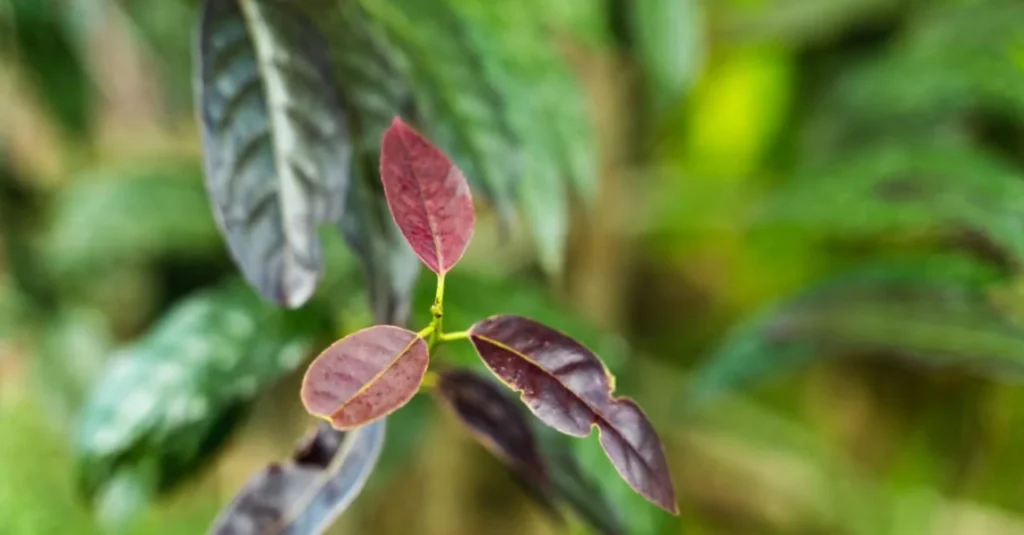
What Medicines Come from the Amazon Rainforest?
The question “What medicines come from the Amazon rainforest?” is more complicated than it may initially appear.
Some modern medicines have clear connections to tropical plants, while others originated from natural compounds found outside the Amazon or from plants whose distribution extends well beyond the rainforest.
Several historically important examples are particularly relevant.
Quinine and Cinchona
One of the most famous examples of plant-derived medicine associated with South American tropical forests is quinine, historically obtained from the bark of Cinchona trees.
Quinine became an important treatment for malaria and represents one of the classic examples of how traditional plant knowledge eventually contributed to modern pharmacology.
However, Cinchona species are associated especially with the Andean regions and should not simply be described as an exclusively Amazon rainforest plant.
This distinction matters because “Amazon medicine” and “medicine from South American tropical plants” are not always identical categories.
Medicines Made from Amazonian Plants
Several Amazonian plants have been investigated for compounds that have pharmaceutical or therapeutic potential.
Cat’s Claw
Cat’s claw, commonly known as uña de gato, refers primarily to climbing plants in the genus Uncaria.
Traditional Amazonian medicine has used parts of these vines for a variety of purposes. Scientists have also investigated their alkaloids and other compounds.
Research interest has included immune-related mechanisms, inflammation, and other biological processes, but traditional claims should not automatically be interpreted as proven treatments for specific diseases.
Sangre de Grado
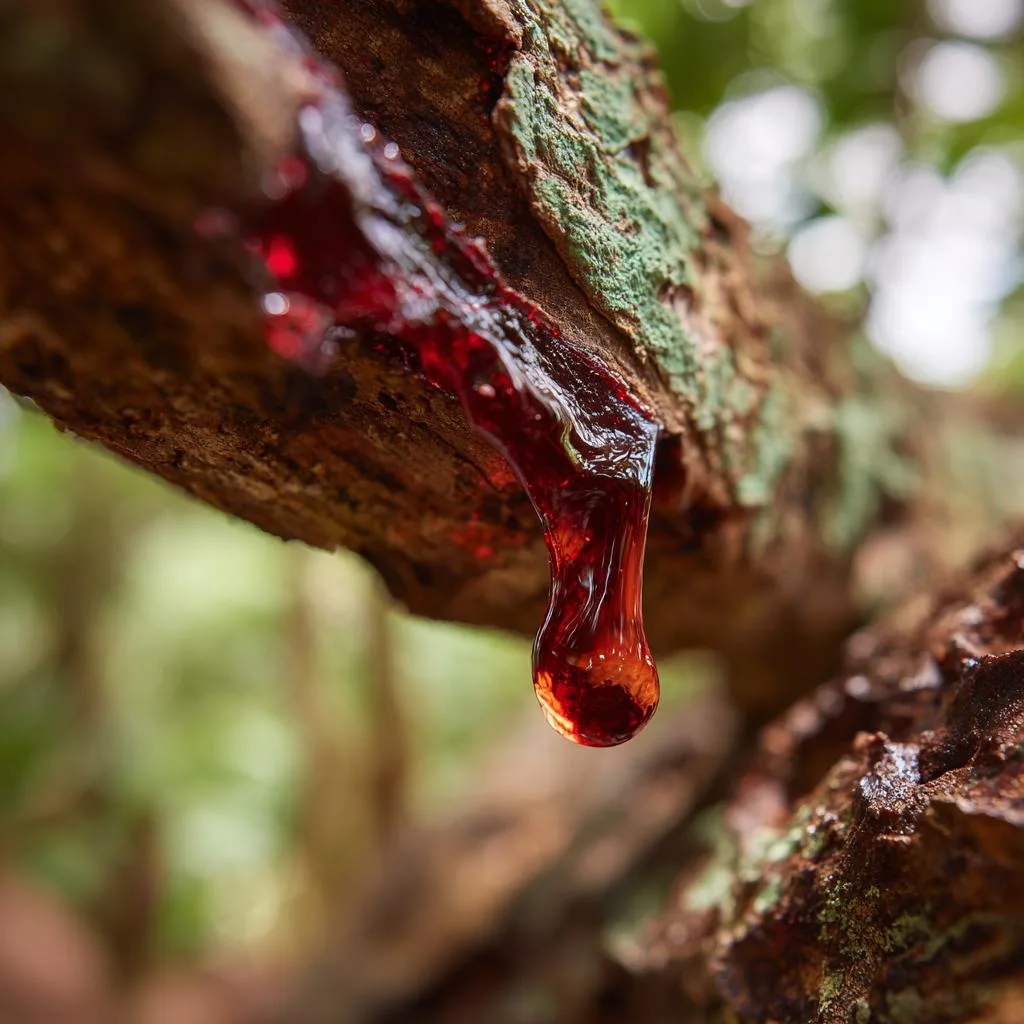
Sangre de grado, or dragon’s blood, is a reddish latex obtained from certain Amazonian trees, particularly Croton lechleri.
Traditional applications include topical use on wounds and other conditions.
One compound derived from this plant, commonly known as crofelemer, has been developed into a pharmaceutical treatment for specific forms of diarrhea. This is an important example of the difference between a traditional plant preparation and a standardized pharmaceutical derived from one of its compounds.
Jaborandi
Jaborandi plants contain alkaloids, particularly pilocarpine, a compound that became medically important.
Pilocarpine has been used in modern medicine for conditions involving reduced tear production and certain forms of glaucoma.
This is another important example of natural-product chemistry leading to a standardized pharmaceutical substance.
Compounds and Natural Products Studied for Medicine
Modern research does not necessarily attempt to turn an entire plant into a medicine.
Instead, scientists may isolate individual compounds and determine what they do.
Researchers may investigate:
- Alkaloids
- Flavonoids
- Terpenes
- Polyphenols
- Tannins
- Essential oils
- Glycosides
- Peptides
- Pigments
- Antioxidant compounds
- Antimicrobial compounds
The process can begin with traditional knowledge, botanical surveys, chemical screening, or laboratory observations.
A promising compound may then undergo increasingly sophisticated testing.
From plant to potential medicine
The general pathway can look like:
Traditional use → plant identification → chemical analysis → laboratory testing → toxicity studies → animal research where appropriate → clinical trials → regulatory evaluation → standardized medicine
Only a small proportion of promising natural compounds ultimately become approved medicines.
Rainforest Medicine List: Important Amazonian Plants
A rainforest medicine list can include hundreds or even thousands of plants depending on the geographical area and definition used.
For a useful introductory list, several particularly notable examples include:
Cat’s Claw
A climbing Amazonian plant traditionally used in herbal medicine and studied for its chemical constituents.
Sangre de Grado
A red latex-producing tree whose compounds have contributed to pharmaceutical research and products.
Jaborandi
A plant associated with pilocarpine, an important medicinal compound.
Cinchona
A South American tree historically associated with quinine.
Copaiba
Amazonian copaiba trees produce an aromatic oleoresin that has long been used traditionally and has been investigated for various biological properties.
Matico
Several plants called matico have traditional medicinal applications in Amazonian and Andean regions.
Guayusa
Guayusa leaves are traditionally prepared as a stimulating beverage and contain caffeine.
Chacruna
Chacruna refers to certain Amazonian plants traditionally used in combination with ayahuasca preparations. Its cultural importance is substantial, but this does not mean that its traditional ceremonial use should be interpreted as a clinically established medical treatment.
Lapacho
Several tropical South American trees known as lapacho or related names have been studied for compounds such as naphthoquinones.
Suma
Suma, traditionally associated with Amazonian herbal practices, has been investigated for its phytochemical composition, although many popular claims about its medical effects remain insufficiently established.
How Much Medicine Comes from the Amazon Rainforest?
One of the most frequently repeated questions is “How much medicine comes from the Amazon rainforest?”
There is no scientifically reliable single percentage that tells us exactly how much modern medicine comes specifically from the Amazon.
The problem is that several different statistics are often combined.
For example, a commonly repeated figure states that approximately 25% of modern medicines are derived from rainforest plants. This figure is widely cited in discussions of tropical forests, but it should not be interpreted as meaning that 25% of all modern medicines come specifically from the Amazon rainforest.
The distinction is essential.
The statistic refers broadly to rainforest-derived medicines and natural products, not exclusively to Amazonian species.
The Amazon is one of the world’s most important tropical forests, but it is not the only rainforest containing medicinally valuable plants.
What Percentage of Medicine Comes from the Amazon Rainforest?
There is no reliable percentage for the exact share of modern medicines that comes specifically from Amazon rainforest plants.
Claims such as “25% of all medicines come from the Amazon” are therefore misleading.
A more accurate explanation is:
A widely cited estimate suggests that a significant proportion of modern medicines have connections to plants from tropical rainforests, but this does not mean that the same percentage comes specifically from Amazonian plants.
Modern medicines can originate from:
- Synthetic chemistry
- Plants
- Microorganisms
- Marine organisms
- Animals
- Biotechnology
- Genetic engineering
- Natural-product derivatives
Furthermore, a medicine may be inspired by a natural compound but later produced synthetically.
Therefore, calculating a simple “Amazon percentage” is extremely difficult.
Why Amazon Rainforest Plants Matter to Modern Medicine
The importance of Amazonian plants goes beyond the medicines already discovered.
The Amazon contains extraordinary chemical and biological diversity, but only a fraction of that diversity has been investigated in depth for pharmaceutical potential. Research into Amazonian plants continues to examine bioactive compounds and their possible applications.
This creates an important conservation argument.
If a species disappears before it is studied, scientists may lose access to chemical compounds that could potentially have useful properties.
This does not mean every undiscovered plant contains a future miracle drug. It means that biodiversity provides a library of biological information, and destroying that library permanently removes possibilities for future research.
Traditional Remedies and Their Cultural Importance
Traditional remedies are important not only because of their potential biological properties but also because they form part of cultural identity.
In Amazonian communities, plants can be associated with:
- Family traditions
- Community knowledge
- Seasonal practices
- Spiritual beliefs
- Food systems
- Forest management
- Rituals
- Traditional healing
- Cultural identity
A medicinal plant can therefore have significance far beyond its chemistry.
For many communities, the forest itself is part of a broader cultural landscape rather than simply a collection of resources.
Interesting and Unusual Facts About Amazon Medicinal Plants
The world of Amazon medicinal plants contains many surprising facts.
1. Some medicines began with plant defenses
Plants produce chemicals to defend themselves against insects, fungi, bacteria, herbivores, and competing organisms.
Some of these same compounds can interact with human biology.
This is one reason plant defense chemistry has become an important area of pharmaceutical research.
2. A tree can produce medicine from its bark or latex
Not every medicinal substance comes from a fruit or leaf.
Traditional Amazonian remedies can involve:
- Bark
- Sap
- Latex
- Roots
- Seeds
- Flowers
- Leaves
- Resins
The red latex of sangre de grado is a particularly striking example.
3. Some Amazon medicinal plants are vines
Cat’s claw is a famous example.
Its climbing habit allows it to grow through the forest while producing compounds that have attracted scientific interest.
4. Plants can contain dozens of potentially active chemicals
A medicinal plant is rarely chemically simple.
Researchers may discover numerous compounds within a single species, with some showing biological activity and others having little apparent effect.
5. Traditional knowledge can guide scientific discovery
Ethnobotanical information can help scientists identify plants that may be worth studying.
This is one reason the loss of Indigenous knowledge can be a scientific as well as cultural concern.
6. The rainforest is not an unlimited pharmacy
Harvesting medicinal plants on a large scale can itself threaten wild populations.
Sustainable cultivation and harvesting are therefore essential if medicinal plants are to become long-term resources.
Amazon Medicinal Plants and Biodiversity Conservation
The relationship between medicine and conservation is particularly interesting.
Imagine that scientists discover a plant containing a compound with promising pharmaceutical properties. If that species exists only in a small area of rainforest and that habitat is destroyed, the opportunity to study and conserve the species may disappear.
This is why biodiversity conservation can also be viewed as conservation of future possibilities.
Protecting forests protects:
- Medicinal plants
- Potential pharmaceutical compounds
- Traditional knowledge
- Pollinators
- Seed dispersers
- Soil organisms
- Genetic diversity
- Ecosystem functions
The value of the Amazon therefore cannot be measured only by timber, agricultural land, or currently known medicines.
Current Research into Amazonian Natural Products
Modern natural-product research is becoming increasingly sophisticated.
Scientists can use advanced analytical technologies to identify and characterize chemical compounds in plants.
Laboratories can investigate whether compounds interact with particular biological pathways, microorganisms, cancer cells, inflammatory mechanisms, or other targets.
Computer-assisted screening and modern chemical analysis can also help researchers investigate large numbers of compounds more efficiently.
However, laboratory activity is only an early stage.
A compound that produces an interesting result in a laboratory experiment may still fail because it is:
- Toxic
- Unstable
- Difficult to absorb
- Difficult to manufacture
- Ineffective in humans
- Too difficult to dose
- Associated with unacceptable side effects
This is why the phrase “studied for medicine” should not be confused with “proven medicine.”
Safety: Traditional Medicine Is Not Automatically Safe
Traditional knowledge deserves respect, but medicinal plants can have powerful biological effects.
Some plants may interact with prescription medications, affect blood pressure, alter blood clotting, cause allergic reactions, damage organs, or become toxic at inappropriate doses.
Plant identification is another major concern. Two species can look similar while having completely different chemical properties.
For these reasons, people should not assume that a plant collected in the rainforest is safe simply because it is “natural.”
Particularly important precautions
- Do not consume unidentified Amazonian plants.
- Do not assume traditional use proves clinical effectiveness.
- Do not replace prescribed medication without medical guidance.
- Avoid concentrated extracts without appropriate professional advice.
- Be especially cautious during pregnancy, childhood, or when taking prescription medicines.
- Use correctly identified and properly prepared products when appropriate.
Traditional knowledge and modern medicine can be studied together without treating them as identical systems.
Amazonian Medicine and Sustainable Use
Medicinal plants can contribute to local economies when harvested sustainably.
Potential approaches include:
- Cultivating medicinal species
- Establishing community-managed plantations
- Harvesting bark without killing trees where possible
- Developing sustainable resin collection
- Processing plants locally
- Creating value-added products
- Supporting Indigenous and local enterprises
- Protecting natural populations
Sustainable use is particularly important because medicinal plants can become victims of their own popularity.
A plant that suddenly becomes internationally fashionable may experience harvesting pressure far beyond traditional local use.
The Future of Medicine from the Amazon
The future of medicine from the Amazon rainforest will probably involve a combination of traditional knowledge, conservation biology, chemistry, pharmacology, biotechnology, and modern medical research.
The Amazon contains an enormous diversity of plants, and scientists continue to investigate natural compounds from tropical ecosystems. At the same time, Indigenous knowledge remains an important source of information about how people have interacted with these plants for generations.
Future research may identify compounds with applications that are currently impossible to predict.
However, discovery must be accompanied by ethical practices.
The people who have protected and maintained traditional knowledge should not simply be treated as sources of information. Respectful collaboration, recognition of cultural rights, and fair benefit-sharing are essential components of responsible research.
Frequently Asked Questions About Medicine from the Amazon
What is medicine from the Amazon rainforest?
It can refer to traditional medicinal practices using Amazonian plants, medicinal plants studied scientifically, and modern pharmaceutical compounds that originated from or were inspired by Amazonian biodiversity.
What medicinal plants are found in the Amazon rainforest?
Examples include cat’s claw, sangre de grado, copaiba, jaborandi, guayusa, matico, lapacho, and numerous other locally known plants.
What medicine comes from the Amazon?
Important examples associated with Amazonian or broader South American tropical plants include compounds derived from jaborandi and sangre de grado. Quinine is another major plant-derived medicine from South America, although its botanical origins are especially associated with the Andean region rather than the Amazon rainforest itself.
What percentage of medicine comes from the Amazon rainforest?
There is no reliable percentage for the exact share of modern medicine originating specifically from Amazon rainforest plants.
The frequently repeated 25% figure refers broadly to medicines associated with rainforest plants, not specifically the Amazon.
Are Amazon rainforest plants used to treat cancer?
Many Amazonian plants have been investigated for compounds with potential anticancer activity in laboratory research. However, a laboratory result does not establish that a plant or herbal preparation is an effective cancer treatment in humans.
Cancer treatment should always be based on clinically validated medical care.
Is ayahuasca a medicine?
Ayahuasca is a traditional psychoactive preparation with important cultural and ceremonial roles in parts of the Amazon. It has also become the subject of modern scientific research into its chemistry and possible effects on the nervous system.
Its traditional or research significance does not mean that it is an approved treatment for every condition for which it is sometimes promoted.
Why are Amazon plants important for modern medicine?
They contain enormous chemical diversity and represent potential sources of natural compounds for scientific investigation. They also provide historical examples of how natural products have contributed to pharmacology.
Are all Amazon medicinal plants scientifically proven?
No. Many plants have traditional uses but limited scientific evidence. Others have been studied in laboratories but have not been tested adequately in humans.
Can I use Amazon medicinal plants myself?
It is important to identify the exact species and understand possible toxicity, interactions, dosage, preparation, and contraindications. Wild plants should not be consumed based solely on appearance or online claims.
Why is Indigenous knowledge important?
Indigenous communities have accumulated detailed knowledge about local plants over generations. This knowledge can help identify species for scientific investigation while also representing an important part of cultural heritage.
Conclusion: The Amazon as a Living Source of Medical Knowledge
The medicine from the Amazon rainforest is much more than a collection of herbal remedies. It represents a remarkable intersection of biodiversity, traditional knowledge, chemistry, culture, conservation, and modern medical research.
The medicinal plants of the Amazon rainforest include trees, palms, vines, shrubs, and herbs containing thousands of naturally occurring compounds. Some have been used traditionally for generations, while others are being investigated scientifically for the first time.
Plants such as cat’s claw, sangre de grado, jaborandi, copaiba, and other Amazonian species illustrate different stages in the relationship between traditional medicine and modern science. In some cases, individual compounds have progressed from natural sources into standardized pharmaceutical products. In other cases, research remains preliminary.
The question “How much medicine comes from the Amazon rainforest?” does not have a simple numerical answer. The frequently repeated 25% statistic refers broadly to rainforest-derived medicines rather than medicines specifically originating in the Amazon. The Amazon’s true importance is better understood through its extraordinary biodiversity and the enormous number of plant species whose chemistry remains incompletely explored.
Perhaps the most unusual fact about Amazonian medicinal plants is that the most valuable discovery may not yet have been made.
Every plant that disappears before being studied can represent lost genetic information, lost chemistry, and potentially lost knowledge. At the same time, every medicinal plant is connected to a larger ecosystem involving soil, insects, fungi, animals, rivers, Indigenous communities, and forest habitats.
Protecting the Amazon therefore means protecting more than trees. It means protecting a living library of biological and cultural knowledge whose full potential may take generations to understand.
The future of Amazonian medicine should combine rigorous science with respect for traditional knowledge, ethical collaboration, sustainable harvesting, Indigenous rights, and rainforest conservation. The Amazon is not simply a pharmacy waiting to be emptied; it is a living ecosystem whose greatest medical value may depend on keeping it alive.