Planning an adventure deep into the jungle? Knowing exactly what to pack can make your Amazon experience much more comfortable, practical, and enjoyable. A good Amazon Rainforest packing list is not about bringing everything you own—it is about choosing lightweight, useful items that can handle heat, humidity, rain, insects, mud, and changing conditions.
Whether you are preparing for several days at a rainforest lodge, an Amazon river adventure, or a wildlife trip in Peru, packing for the Amazon requires a different approach from packing for a typical vacation. The combination of tropical heat, sudden rain, strong sunlight, insects, and outdoor activities means that the right clothing and equipment can make a huge difference.
So, what should you bring to the Amazon rainforest? Lightweight long-sleeved clothing, comfortable footwear, rain protection, insect repellent, sunscreen, a reusable water bottle, a daypack, dry bags, a flashlight, and appropriate personal items are among the essentials.
This complete Amazon trip packing list explains what to bring, what to wear, what equipment is useful, what you can leave at home, and several unusual facts about rainforest conditions that can help you prepare.
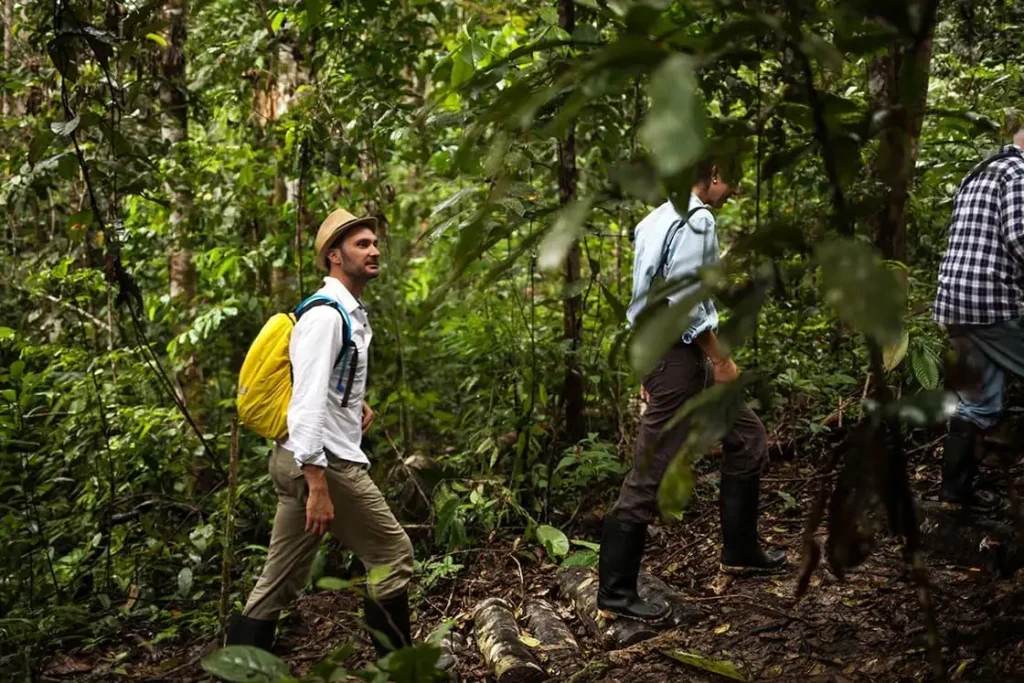
Amazon Rainforest Packing List
The ideal amazon rainforest packing list should focus on versatility. You may spend one moment traveling by boat, the next walking through muddy trails, and later relaxing at a rainforest lodge.
Because of this variety, your luggage should contain clothing and equipment that can perform multiple functions.
Quick Amazon Rainforest Packing Checklist
Before getting into the details, here is a practical overview of the essentials:
Clothing
- Lightweight shirts
- Long-sleeved shirts
- Lightweight long pants
- Comfortable shorts
- Underwear
- Socks
- Sleepwear
- Lightweight rain jacket or poncho
- Hat or cap
- Swimwear
- Comfortable walking shoes
- Sandals or lightweight secondary footwear
Equipment
- Daypack
- Camera
- Binoculars
- Flashlight or headlamp
- Power bank
- Dry bags
- Waterproof phone protection
- Reusable water bottle
- Small travel towel
Personal items
- Insect repellent
- Sunscreen
- Toiletries
- Personal medication
- Basic first-aid supplies
- Hand sanitizer
- Lip balm
- Travel documents
- Cash where appropriate
- Copies of important documents
The key is to avoid overpacking. In the Amazon, lighter luggage is often much easier to manage.
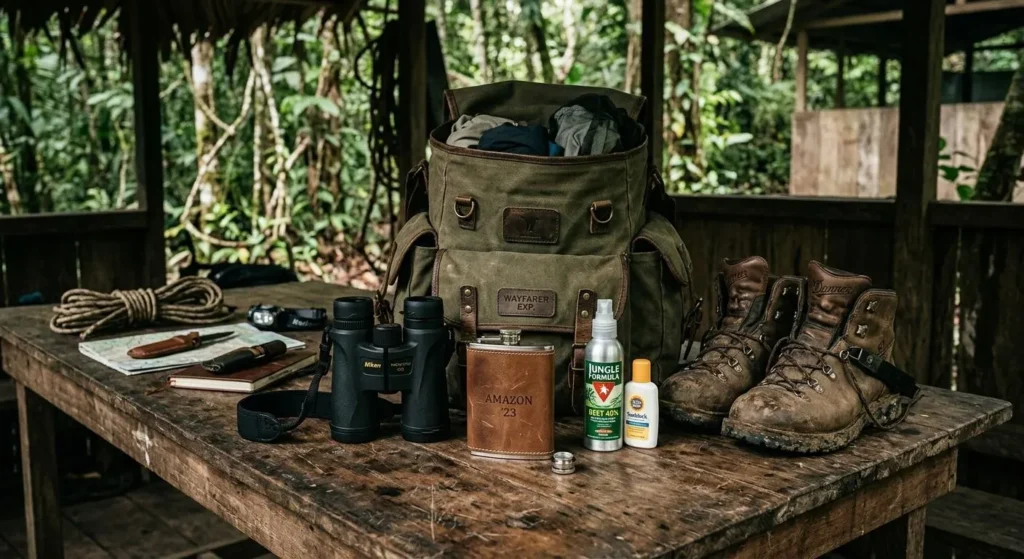
Packing for the Amazon Rainforest
Packing for the Amazon rainforest is primarily about adapting to a tropical environment rather than preparing for cold weather.
Even when temperatures are not extremely high, humidity can make the air feel much warmer. Clothing that dries quickly is therefore far more useful than heavy cotton garments.
Rain is another major consideration. Tropical rain can arrive suddenly, sometimes transforming a sunny afternoon into a heavy downpour within minutes.
What Makes Amazon Packing Different?
Several environmental conditions influence what you should bring:
- High humidity
- Strong tropical sunlight
- Heavy rainfall
- Muddy trails
- Insects
- Heat
- Limited drying opportunities
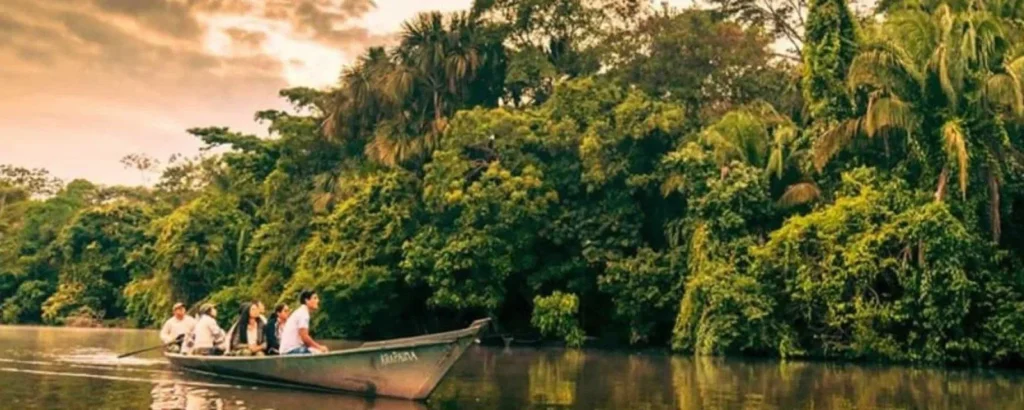
- Boat transportation
- Uneven walking trails
- Outdoor excursions
The Amazon also creates a unique situation where staying dry does not necessarily mean staying cool. Waterproof clothing can protect you from rain but may become uncomfortable in humid conditions.
For that reason, breathable fabrics and lightweight rain protection are especially valuable.
What to Bring to the Amazon Rainforest
If you are wondering what to bring to the Amazon rainforest, think in terms of four priorities: staying comfortable, staying protected, keeping belongings dry, and being prepared for outdoor activities.
You do not need an enormous suitcase. In fact, carrying too much can become inconvenient during boat transfers, jungle walks, and lodge stays.
The Golden Rule: Pack Light
A compact bag containing versatile clothing and essential equipment is usually better than a large suitcase filled with items you may never use.
Prioritize items that are:
- Lightweight
- Quick-drying
- Breathable
- Durable
- Easy to wash
- Easy to pack
- Useful for several activities
One lightweight long-sleeved shirt can be more useful than several heavy shirts because it can protect against both insects and sunlight.
What to Wear in the Amazon Rainforest
One of the most important parts of your preparation is knowing what to wear in the Amazon rainforest.
The answer is simple: choose lightweight, breathable clothing that provides protection without making you feel excessively hot.
The rainforest is not the place for heavy jeans, thick sweaters, or unnecessary layers.
Lightweight Clothing
Lightweight clothing is one of the most useful choices for an Amazon adventure.
Synthetic or technical fabrics can be particularly practical because they generally dry faster than heavy cotton.
Lightweight clothing also takes up less space in your luggage, allowing you to carry useful extras without significantly increasing the weight of your bag.
Recommended lightweight clothing
Consider packing:
- Lightweight T-shirts
- Quick-dry shirts
- Lightweight trousers
- Quick-drying shorts
- Breathable underwear
- Lightweight socks
- Comfortable sleepwear
Avoid unnecessarily thick fabrics. Even if they feel comfortable at home, they can become uncomfortable when exposed to tropical humidity.
Long-Sleeved Shirts and Pants
Long-sleeved shirts and pants are among the most useful items on an Amazon trip.
At first, wearing long sleeves in a hot rainforest might seem counterintuitive. However, lightweight long sleeves can provide protection from insects, sun exposure, vegetation, and minor scratches along trails.
They can also be useful during early morning and evening excursions when insect activity may increase.
Why long sleeves are useful
A lightweight long-sleeved shirt can help protect your:
- Arms from insects
- Skin from sunlight
- Body from branches and vegetation
- Shoulders from prolonged sun exposure
Lightweight long pants offer similar protection for your legs.
Choose breathable materials
The goal is not to wear heavy outdoor clothing.
Look for:
- Loose-fitting designs
- Breathable materials
- Quick-drying fabrics
- Lightweight construction
- Comfortable waistbands
Convertible hiking pants can also be practical because they can function as either trousers or shorts.
Rain Protection
Rain protection is essential when packing for the Amazon rainforest.
Rainforest weather can change quickly. A morning may begin with clear skies and sunshine before a heavy tropical shower arrives.
Rain Jacket or Poncho?
Both can work well.
A lightweight rain jacket provides good protection while walking and keeps your arms relatively free.
A poncho can be particularly useful because it can cover both your body and part of your backpack.
Your rain protection should be:
- Lightweight
- Waterproof or highly water-resistant
- Easy to fold
- Easy to access
- Quick to put on
Do not bury your rain jacket at the bottom of your luggage. Keep it somewhere accessible.
Protect Your Backpack Too
Even if you have a waterproof jacket, the contents of your backpack can still get wet.
A waterproof backpack cover or dry bags provide an additional layer of protection.
Appropriate Footwear for the Amazon
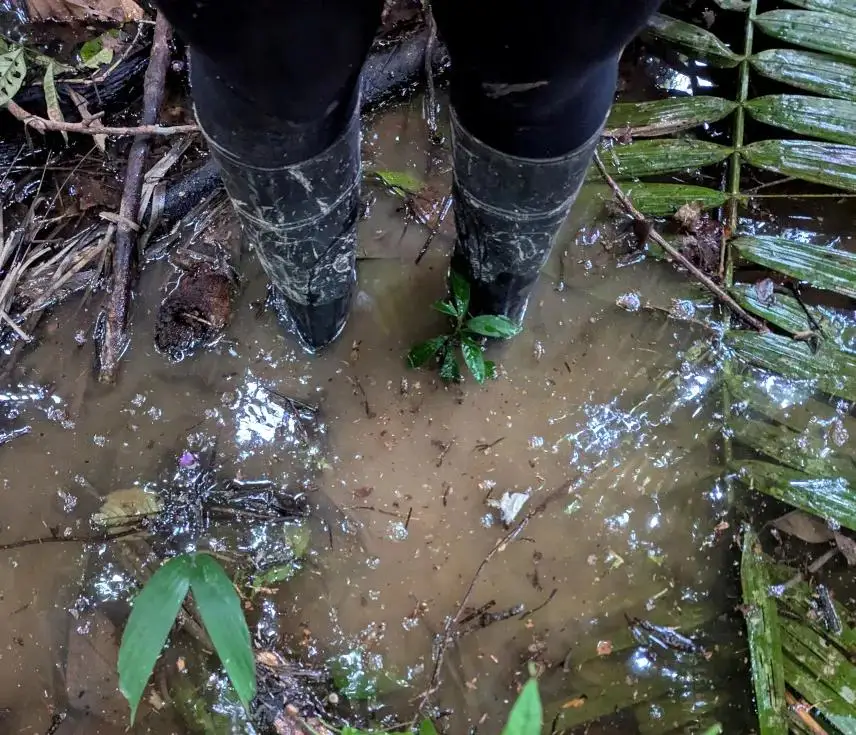
Choosing appropriate footwear is one of the most important decisions on your Amazon packing list.
Your ideal shoes depend on the activities and conditions at your destination.
Rainforest trails can be muddy, slippery, uneven, and covered with roots.
What shoes should you bring?
For many Amazon trips, consider:
- Comfortable hiking shoes
- Lightweight hiking boots
- Waterproof boots when recommended locally
- Sandals for relaxing at the lodge
- Comfortable lightweight footwear for boat travel
If your itinerary includes extensive muddy trails, dedicated rubber jungle boots may be useful or may be provided locally.
Do not rely on fashion shoes
The Amazon is not the ideal environment for delicate sneakers or casual canvas shoes.
Your footwear should prioritize:
- Grip
- Comfort
- Stability
- Water resistance
- Durability
Blisters can turn an exciting jungle hike into a miserable experience, so break in your main footwear before your trip.
Socks for the Amazon Rainforest
Socks deserve more attention than many travelers expect.
Wet feet can quickly become uncomfortable, especially when you are walking for several hours.
Bring several pairs of breathable socks and consider quick-drying options.
An important packing trick
Pack extra socks in a waterproof bag.
If one pair becomes wet, you will have a dry replacement available.
This small preparation can make a surprisingly big difference during a multi-day rainforest adventure.
What Equipment to Take to the Rainforest
The question what equipment to take to the rainforest depends on your activities, but several items are particularly useful.
You do not need professional expedition equipment for a standard lodge-based Amazon trip.
Instead, choose compact equipment that helps you observe wildlife, protect your belongings, and navigate changing conditions.
Camera
A camera is one of the most popular pieces of equipment for an Amazon rainforest trip.
The Amazon provides extraordinary opportunities for wildlife photography. Macaws, monkeys, caimans, sloths, river dolphins, frogs, insects, and countless birds can appear unexpectedly.
Camera packing tips
Protect your camera from:
- Rain
- Humidity
- Dust
- Accidental splashes
- Boat spray
A dry bag or waterproof camera pouch can provide additional protection.
Bring extra memory
Wildlife photography creates one common problem: too many photographs.
A single morning can produce hundreds of images, particularly when birds suddenly take flight or monkeys move through the canopy.
Bring enough storage and keep important photographs backed up whenever possible.
Binoculars
Binoculars can be even more valuable than a camera for wildlife observation.
The Amazon’s dense vegetation means that animals are often partially hidden.
A pair of binoculars can help you identify:
- Birds in the canopy
- Monkeys in distant trees
- Sloths
- River wildlife
- Reptiles
- Birds flying overhead
For rainforest trips, compact binoculars are generally easier to carry than large heavy models.
Why binoculars are especially useful in the Amazon
Many rainforest animals are small, distant, camouflaged, or high above the ground.
You may hear an animal long before you see it.
Binoculars can turn a tiny movement in the canopy into a clear view of an entire animal.
Flashlight or Headlamp
A flashlight is an excellent addition to your Amazon equipment list.
Even if your accommodation has electricity, jungle excursions can occur before sunrise or after sunset.
A headlamp can be particularly useful because it leaves both hands free.
Why nighttime equipment matters
The rainforest changes dramatically after dark.
Some frogs, insects, spiders, snakes, mammals, and other creatures become more active at night.
A flashlight can therefore be useful not only for practical reasons but also for wildlife observation.
Pack spare batteries
If your flashlight uses replaceable batteries, carry spares in a waterproof container.
Power Bank
A power bank is extremely useful in the rainforest.
Remote lodges may have limited electricity availability or scheduled charging periods. Boat trips and long excursions can also keep you away from electrical outlets for hours.
A power bank allows you to keep your:
- Phone
- Camera accessories
- GPS device
- Headlamp
- Other USB-powered equipment
charged during excursions.
Keep electronics protected
Humidity is another concern.
Place electronics inside waterproof pouches or dry bags whenever possible.
Dry Bags
Dry bags are one of the smartest items you can include in an Amazon trip packing list.
They protect valuable belongings from rain, splashes, humidity, and accidental drops into the water.
Consider using separate waterproof bags for:
- Phone
- Camera
- Documents
- Extra clothing
- Medication
- Electronics
- Important personal items
An unusual Amazon reality
A waterproof bag is not just useful during rain.
If you are traveling by boat, water can reach your belongings through splashes, spray, wet seats, or sudden changes in river conditions.
Daypack
A small daypack is ideal for daily excursions.
You probably will not want to carry your entire luggage during a jungle walk.
A comfortable daypack can hold:
- Water bottle
- Camera
- Binoculars
- Rain jacket
- Insect repellent
- Sunscreen
- Snacks
- Flashlight
- Extra socks
- Small personal items
Choose a lightweight model that is comfortable in humid conditions.
Essential Personal Items for the Amazon
The best Amazon packing list combines outdoor equipment with everyday necessities.
Some personal items are easy to forget because they seem ordinary, but replacing them in remote rainforest areas may be difficult.
Toiletries
Bring practical toiletries in small travel-sized containers.
Useful items include:
- Toothbrush
- Toothpaste
- Shampoo
- Soap
- Deodorant
- Comb or brush
- Hand sanitizer
- Biodegradable personal-care products where appropriate
- Small towel
- Lip balm
Keep toiletries simple
There is no need to bring a huge collection of cosmetic products.
Choose compact essentials that can tolerate humidity and fit easily into your luggage.
Insect Repellent
Insect repellent should be considered one of the most important personal items on an Amazon trip.
The rainforest supports an extraordinary diversity of insects, including mosquitoes and many other biting or annoying species.
Use repellent according to its label directions and reapply as needed, particularly during activities when insects are active.
Clothing also helps
Insect protection is not only about repellent.
Long sleeves, long trousers, socks, and appropriate footwear create a physical barrier between your skin and insects.
This is one reason the combination of lightweight clothing + insect repellent works so well.
Sunscreen
It may seem strange to emphasize sunscreen when you are traveling into a dense rainforest.
However, the Amazon is not completely shaded.
Boat journeys, open riverbanks, clearings, and lodge areas can expose you to significant sunlight.
Apply sunscreen to exposed skin and remember areas that are often overlooked:
- Ears
- Neck
- Hands
- Face
- Forearms
- Legs
A lightweight, sweat-resistant sunscreen can be particularly practical.
Medication
Bring enough personal medication for the entire trip, plus a reasonable backup supply if appropriate.
Do not assume that a remote lodge or small community will have the exact medication you use.
Keep essential medication in your carry-on or daypack rather than placing it exclusively in checked luggage.
Basic health items
Depending on your personal needs and itinerary, you may also consider:
- Basic first-aid supplies
- Pain reliever
- Bandages
- Antiseptic
- Oral rehydration supplies
- Any prescribed medication
- Personal medical necessities
For specific vaccinations, medications, or health precautions, follow advice from a qualified healthcare professional before traveling.
Reusable Water Bottle
A reusable water bottle is another useful Amazon travel essential.
Staying hydrated is important in hot and humid environments, particularly when walking or hiking.
Many organized Amazon trips provide treated or purified drinking water, but you should confirm the arrangements for your particular accommodation and itinerary.
Choose the right bottle
A good rainforest bottle should be:
- Durable
- Leak-resistant
- Easy to clean
- Comfortable to carry
- Large enough for your activity
Avoid relying on an ordinary disposable bottle as your only water solution during long excursions.
Travel Documents
Your travel documents should always be kept safe and dry.
Depending on your trip, these may include:
- Passport
- Transportation tickets
- Accommodation information
- Travel insurance information
- Emergency contacts
- Copies of important documents
Waterproof document protection
Use a waterproof pouch for important documents.
Keep digital copies securely accessible as an additional precaution.
Never place your passport loose inside a backpack that could become soaked during a boat ride.
What Not to Pack for the Amazon Rainforest
A good packing list is also about knowing what to leave behind.
Avoid filling your luggage with unnecessary items.
Consider leaving these at home:
- Heavy jackets
- Thick jeans
- Excessive formal clothing
- Large cosmetic kits
- Unnecessary electronic equipment
- Expensive jewelry
- Heavy shoes
- Too many books
- Bulky luggage
The rainforest rewards simplicity.
Amazon Rainforest Packing List for Different Activities
Your exact packing requirements can change depending on what you will do.
Jungle Hiking
For hiking, prioritize:
- Long lightweight pants
- Long-sleeved shirt
- Hiking shoes or boots
- Socks
- Rain jacket
- Insect repellent
- Sunscreen
- Water
- Daypack
- Binoculars
- Flashlight
Amazon River Trips
For boat excursions, add:
- Waterproof bag
- Rain protection
- Hat
- Sunglasses
- Sunscreen
- Camera protection
- Extra dry clothing
Boat travel can expose you to much more sun and wind than you might expect.
Night Walks
Night excursions require:
- Flashlight or headlamp
- Long pants
- Long sleeves
- Closed footwear
- Insect repellent
- Waterproof protection
The rainforest after sunset is a completely different ecosystem from the one you experience during the day.
What to Wear in the Amazon Rainforest During the Rainy Season
During wetter periods, prioritize quick-drying clothes and reliable rain protection.
A heavy cotton shirt can remain damp for a surprisingly long time in humid conditions.
Instead, choose fabrics that dry quickly.
Rainy-season essentials
- Waterproof jacket or poncho
- Quick-drying trousers
- Extra socks
- Waterproof bags
- Water-resistant footwear
- Lightweight clothing
- Extra dry clothes
A small waterproof bag containing one complete change of clothes can be extremely valuable.
What to Wear in the Amazon Rainforest During the Drier Season
“Drier” does not mean completely dry.
Rainforest weather can remain unpredictable, so rain protection should still be packed.
However, you may find yourself spending more time in warm, sunny conditions.
Prioritize:
- Lightweight shirts
- Breathable trousers
- Comfortable shorts
- Hat
- Sunglasses
- Sunscreen
- Insect repellent
- Light rain protection
Interesting Facts About Packing for the Amazon
1. Your clothes may get wet even when it is not raining
Humidity, vegetation, river spray, sweat, and morning moisture can all make clothing damp.
2. A small towel can be surprisingly useful
A lightweight quick-drying towel can help after rain, boat trips, swimming, or simply dealing with intense humidity.
3. The rainforest is not always dark
The canopy creates shade, but rivers, clearings, beaches, and open wetlands can be surprisingly bright.
4. Your phone can be vulnerable to humidity
Water is not the only threat to electronics. Constant high humidity can also be challenging for sensitive equipment.
5. Mud is part of the experience
Even well-maintained rainforest trails can become muddy after rain. Footwear with good traction is therefore much more valuable than stylish footwear.
6. The Amazon can be surprisingly noisy
Bird calls, insects, frogs, monkeys, flowing water, and wind through vegetation create a constantly changing natural soundtrack.
This is one reason binoculars can be more useful than simply relying on photographs.
The Ultimate Amazon Trip Packing List
For a practical final checklist, organize your belongings into four groups.
Clothing
- 3–5 lightweight shirts
- 2–3 long-sleeved shirts
- 2–3 lightweight long pants
- 1–2 pairs of shorts
- Underwear
- Several pairs of socks
- Sleepwear
- Lightweight rain jacket or poncho
- Hat
- Swimwear
- Comfortable hiking footwear
- Sandals or secondary footwear
Equipment
- Daypack
- Camera
- Binoculars
- Flashlight or headlamp
- Power bank
- Dry bags
- Waterproof phone protection
- Reusable water bottle
- Small quick-drying towel
Personal Items
- Insect repellent
- Sunscreen
- Toiletries
- Personal medication
- Basic first-aid supplies
- Hand sanitizer
- Lip balm
- Sunglasses
Documents
- Passport
- Travel confirmations
- Insurance information
- Emergency contacts
- Copies of important documents
- Cash when appropriate
Frequently Asked Questions About the Amazon Rainforest Packing List
What should I pack for the Amazon rainforest?
Pack lightweight, breathable, quick-drying clothing, long sleeves and pants, rain protection, comfortable footwear, insect repellent, sunscreen, a daypack, water bottle, flashlight, power bank, dry bags, binoculars, and essential personal items.
What should I wear in the Amazon rainforest?
Wear lightweight, breathable clothing that dries quickly. Long-sleeved shirts and lightweight long pants are particularly useful for protection from insects, sunlight, and vegetation.
Do I need long pants in the Amazon?
Long pants are strongly recommended for many rainforest excursions. Lightweight trousers can provide protection from insects, vegetation, and sun without being excessively hot.
Do I need a rain jacket for the Amazon?
Yes. Rain can arrive suddenly in tropical rainforest environments. A lightweight waterproof jacket or poncho is one of the most useful pieces of equipment you can pack.
What shoes should I wear in the Amazon rainforest?
Comfortable hiking shoes or boots with good traction are useful for many trails. In very muddy environments, locally appropriate rubber jungle boots may be preferable and may be provided by your lodge or tour operator.
Should I bring binoculars to the Amazon?
Absolutely. Binoculars are excellent for spotting birds, monkeys, sloths, and other animals that may be high in the canopy or hidden among vegetation.
Do I need a flashlight in the Amazon?
Yes. A flashlight or headlamp is useful for early-morning departures, nighttime excursions, walking around a lodge after dark, and wildlife observation.
Is a power bank useful in the Amazon?
Yes. A power bank can be particularly useful when staying at remote lodges or spending long periods away from electrical outlets.
Should I bring dry bags?
Yes. Dry bags are highly recommended because they can protect electronics, documents, clothing, and medication from rain, humidity, and water splashes.
Do I need insect repellent in the Amazon?
Insect repellent is an important part of a rainforest packing list. It works best when combined with protective clothing such as long sleeves, long pants, socks, and closed footwear.
Should I bring sunscreen?
Yes. Sun exposure can be significant during boat trips, river crossings, open areas, and excursions outside dense forest cover.
Can I wear jeans in the Amazon?
You can, but jeans are generally not ideal. They are heavy, can become uncomfortable when wet, and dry slowly in humid conditions. Lightweight quick-drying trousers are usually more practical.
Final Amazon Rainforest Packing Checklist
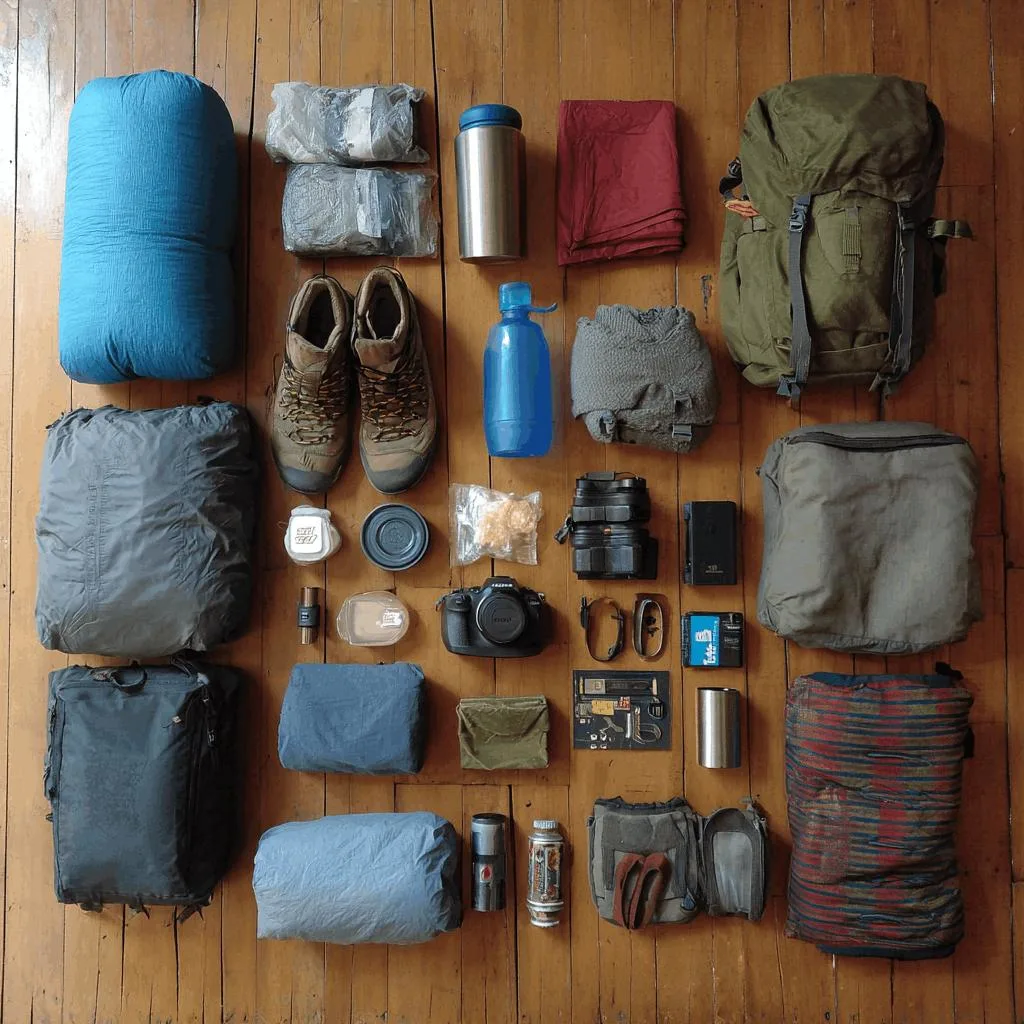
Before leaving for your Amazon adventure, check that you have the essentials:
Wear
- Lightweight clothing
- Long sleeves
- Long pants
- Comfortable socks
- Appropriate footwear
- Hat
Protect
- Rain jacket or poncho
- Insect repellent
- Sunscreen
- Dry bags
- Waterproof document pouch
Explore
- Daypack
- Binoculars
- Camera
- Flashlight
- Power bank
- Reusable water bottle
Personal
- Toiletries
- Medication
- Basic first-aid supplies
- Hand sanitizer
- Quick-drying towel
Documents
- Passport
- Travel confirmations
- Insurance details
- Emergency information
- Copies of important documents
Final Thoughts: Pack Light, Stay Dry, Explore More
Creating the perfect Amazon Rainforest packing list does not require bringing your entire wardrobe or buying expensive expedition equipment. The most useful approach is to pack light and focus on versatile items that work in heat, humidity, rain, and muddy conditions.
The essentials are straightforward: lightweight clothing, long sleeves and pants, reliable rain protection, appropriate footwear, insect repellent, sunscreen, a daypack, binoculars, a flashlight, power bank, dry bags, medication, toiletries, a reusable water bottle, and secure travel documents.
Most importantly, remember that the Amazon is unpredictable. A sunny morning can turn into heavy rain, a calm river trip can become a wildlife-filled adventure, and a seemingly ordinary trail can lead to an unforgettable encounter with a macaw, monkey, sloth, caiman, frog, or another rainforest species.
The best-packed traveler is not necessarily the one carrying the most gear. It is the one carrying the right gear.
Pack light. Protect your belongings. Choose breathable clothing. Keep your rain protection accessible. And leave enough room in your daypack for the most important thing you will bring home from the Amazon: memories of one of the most extraordinary ecosystems on Earth.