The rainy season in the Amazon is one of the most fascinating periods of the year in the world’s largest tropical rainforest. Rain transforms the forest, raises rivers and streams, fills flooded forests, changes animal behavior, and creates completely different landscapes for travelers to explore. Although many people imagine the Amazon as a place where it rains constantly, the reality is much more complex. Rainfall varies considerably by region, month, elevation, and local geography.
For travelers planning an adventure, understanding the rainy season in the Amazon rainforest, particularly the rainy season in the Amazon Peru, can help determine what type of experience to expect. Some travelers prefer the drier months for hiking, while others choose the rainy period because waterways become more accessible and the flooded forest reveals a completely different side of Amazonian life.
This guide explains when the rainy season occurs, how long it lasts, whether it rains every day, what happens to the Amazon River, how the climate changes throughout the year, and the best time to visit the Amazon rainforest in Peru.
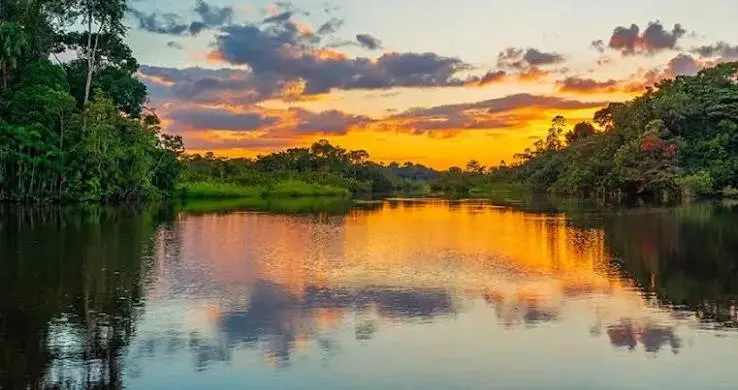
Rainy Season in the Amazon Rainforest
The rainy season in the Amazon rainforest is not a single identical season throughout the enormous Amazon Basin. The Amazon covers several countries and millions of square kilometers, so rainfall patterns differ from one region to another.
In general, areas of the western Amazon, including much of the Peruvian Amazon, experience their wetter conditions approximately from November through April. The exact timing can change from year to year, and rainfall is not evenly distributed throughout these months.
During the wet season, tropical storms can arrive quickly. A morning may begin with sunshine, followed by clouds and heavy rain in the afternoon, and then return to warm, humid conditions later in the day. Other days may have several hours of continuous rain.
The rainforest actually depends on this seasonal rhythm. Rain is not simply a travel inconvenience. It is one of the main forces shaping the entire ecosystem.
What Happens to the Amazon Forest During the Rainy Season?
The Amazon forest in rainy season becomes noticeably different from the forest during drier months. Rain replenishes streams, ponds, wetlands, and rivers, while rising water begins entering areas of forest that remain dry during lower-water periods.
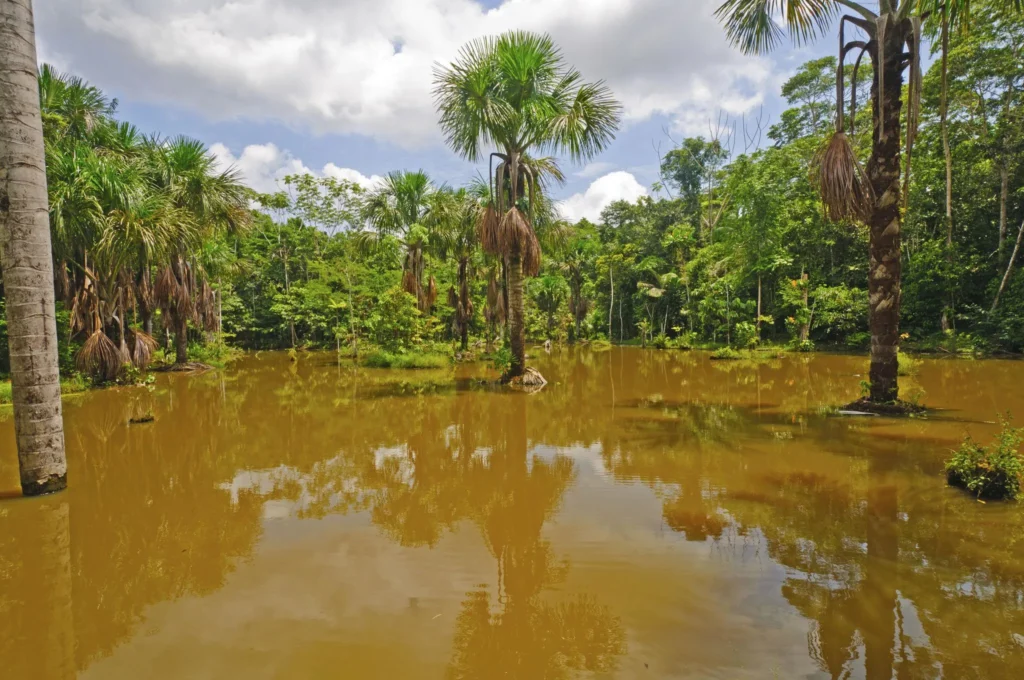
Some forests become temporarily flooded, creating an extraordinary environment known as seasonally flooded forest.
Major changes during the rainy season
- Rivers and streams rise.
- Floodplain forests become partially submerged.
- Canoes can enter areas that are inaccessible during low water.
- Fish move into flooded vegetation to feed and reproduce.
- Aquatic plants expand into newly flooded areas.
- Humidity remains high.
- Tropical storms become more frequent.
- Forest vegetation becomes extremely lush.
- Some wildlife changes feeding patterns.
- River navigation can become easier in certain areas.
- Hiking conditions may become muddier.
- Mosquito activity can vary according to location and weather.
One of the most unusual aspects of the rainy season is that more water does not simply mean more difficult travel. In some parts of the Amazon, higher water actually opens new routes through the forest.
When Is the Rainy Season in the Peruvian Amazon?
The question “when is the rainy season in the Peruvian Amazon?” is one of the most common questions asked by travelers planning an Amazon adventure.
In much of the Peruvian Amazon, the wetter period generally extends from approximately November through April, although rainfall can occur throughout the entire year.
The months around December, January, February, March, and April are commonly associated with wetter conditions. However, there is no guarantee that every day during these months will be rainy.
The Peruvian Amazon is also affected by sudden changes in weather. A powerful tropical downpour may last less than an hour, while another storm can continue for several hours.
For visitors to places such as Puerto Maldonado and the Tambopata region, the distinction between “rainy season” and “dry season” should therefore be understood as a difference in rainfall patterns rather than a strict division between rain and no rain.
Rainy Season in Amazon Peru
The rainy season in Amazon Peru is particularly interesting for wildlife enthusiasts because the landscape responds rapidly to changing water levels.
In the Tambopata and Madre de Dios regions, rainfall feeds the enormous network of rivers, streams, oxbow lakes, wetlands, and temporary pools that make the region such an important wildlife habitat.
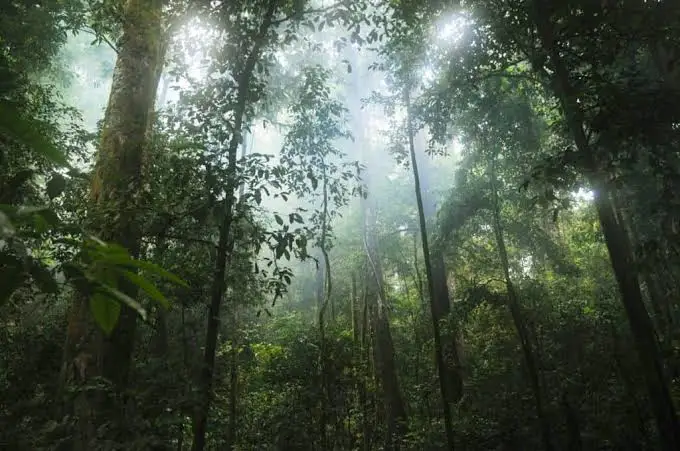
The forest can appear exceptionally vibrant after rainfall. Leaves become glossy, streams become fuller, and the smell of wet vegetation becomes one of the defining sensory experiences of an Amazon journey.
For photographers, rain can also create dramatic conditions. Clouds and mist can soften the light, while sunlight returning immediately after a storm can produce striking reflections on rivers and lakes.
How Long Is the Rainy Season in the Amazon?
The answer to “how long is the rainy season in the Amazon?” depends heavily on the location.
In the Peruvian Amazon, the wetter season is commonly considered to last approximately five to six months, broadly from November through April. However, the boundaries are not fixed.
Rainfall can occur during the traditionally drier months, and periods of sunshine can occur during the rainy season.
This is important for travelers because the term “rainy season” sometimes creates the false impression that rain falls continuously for months.
Instead, the Amazon usually experiences a mixture of:
- Sunny periods
- Cloudy periods
- Short tropical showers
- Heavy thunderstorms
- Long rainy periods
- Very humid conditions
- Sudden changes in weather
The rainforest’s climate is dynamic rather than predictable by the clock.
Why the Rainy Season Does Not Mean Rain All Day
Tropical rainfall can be extremely intense but relatively short-lived. A storm may produce a tremendous amount of rain within a short period before the sky clears again.
This creates an interesting rhythm for travelers. A rainy morning does not necessarily mean a rainy afternoon, and a rainy afternoon does not mean that the entire night will be wet.
Guides often adapt daily activities according to weather conditions. Wildlife excursions, hikes, lake visits, river trips, and clay lick visits may be rearranged when necessary.
This flexibility is especially valuable in rainforest tourism because wildlife itself responds to weather.
Does It Rain Every Day in the Amazon Rainforest?
One of the biggest misconceptions about the Amazon is that it rains every day in the Amazon rainforest.
The simple answer is: rain can occur very frequently, but it does not necessarily rain every day or all day in every part of the Amazon.
The Amazon rainforest is enormous, and rainfall patterns are different from one region to another.
Even during the wettest months, travelers may experience beautiful sunny mornings followed by a tropical storm later in the day.
Some locations can receive rain while another nearby area remains relatively dry.
How Often Does It Rain in the Amazon Rainforest?
The answer to “how often does it rain in the Amazon rainforest?” depends on the region and season.
Many parts of the Amazon receive precipitation on numerous days throughout the year, with the wettest months receiving substantially more rainfall.
However, rainfall is often highly localized. A storm can develop over one section of forest while another area receives sunshine.
This localized rainfall is one reason why weather forecasts for the Amazon can be difficult to interpret.
Rainfall is not the same as constant rain
There is an important difference between:
Rainy climate:
A region receives substantial rainfall throughout the year.
and:
Continuous rainfall:
Rain falls without interruption for most of the day.
The Amazon generally has the first characteristic rather than the second.
The forest can therefore remain wet and incredibly humid even after several hours of sunshine.
Rainy Season in Amazon Climate
The rainy season in Amazon climate is characterized by high temperatures, high humidity, frequent rainfall, and major changes in river and floodplain conditions.
Temperatures generally remain warm throughout the year in lowland Amazon regions. Rainfall and cloud cover can temporarily reduce daytime temperatures, but the environment remains tropical.
Humidity is one of the most noticeable features.
After heavy rain, evaporation from vegetation, soil, rivers, and wetlands increases moisture in the atmosphere. This contributes to the characteristic warm, humid sensation of the rainforest.
Amazon Rainforest Temperature During the Rainy Season
Although temperatures vary by location, lowland Amazon destinations generally remain warm throughout the wet season.
A typical day can include:
- Warm morning temperatures
- High humidity
- Increasing cloud cover
- Heavy afternoon rainfall
- Cooler conditions during storms
- Warm and humid evenings
Visitors should therefore pack for both heat and rain.
What to Pack for the Rainy Season
Recommended items include:
- Lightweight quick-drying clothing
- Long-sleeved shirts
- Long trousers
- Waterproof jacket or poncho
- Waterproof backpack protection
- Insect repellent
- Comfortable hiking shoes
- Sandals for lodge use
- Hat
- Sunscreen
- Reusable water bottle
- Dry bags for electronics
- Small flashlight or headlamp
- Binoculars
- Camera protection
A waterproof bag is particularly useful because tropical rain can arrive unexpectedly.
Seasons in the Amazon Rainforest
The phrase “seasons in the Amazon rainforest” can be misleading because the Amazon does not experience four seasons like many temperate regions.
Instead, seasons are primarily associated with variations in:
- Rainfall
- River levels
- Flooding
- Temperature
- Humidity
- Wildlife behavior
- Vegetation
- Accessibility of waterways
In many areas, the year can broadly be divided into wetter and drier periods.
However, these divisions vary throughout the Amazon Basin.
Wet Season
The wet season generally brings:
- Higher river levels
- More flooded forest
- More water channels
- Greater canoe accessibility in some areas
- Lush vegetation
- Frequent rain
- High humidity
The flooded forest is particularly fascinating because the boundary between land and water changes dramatically.
Dry Season in Amazon Rainforest
The dry season in the Amazon rainforest generally occurs during the months outside the principal wet period, although the exact timing varies geographically.
In the Peruvian Amazon, May through October is often considered the comparatively drier period.
But “dry” does not mean rain-free.
Rainforest ecosystems can still experience powerful storms during the dry season.
What is unusual about the Amazon dry season?
One fascinating feature is that some years experience sudden cold-air incursions from southern South America.
In southern and southeastern parts of the Amazon Basin, these events can cause temperatures to fall dramatically for a short period.
In Peru, these cold events are sometimes known locally as friajes.
They can be surprising for travelers because the Amazon is usually associated with constant tropical heat.
A person who arrives expecting only hot weather can occasionally encounter a surprisingly cool morning.
Amazon Forest in Rainy Season
The Amazon forest in rainy season becomes a world dominated by water.
Rain falls onto the enormous forest canopy and eventually reaches the ground through leaves, branches, trunks, streams, and soil.
Some water is absorbed by vegetation, some enters the soil, and large amounts eventually flow toward rivers and floodplains.
This process supports one of the planet’s most productive ecosystems.
Flooded Forests
One of the most spectacular features of the rainy season is the expansion of aquatic habitats into forests.
Trees can remain standing while water surrounds their trunks.
Fish may swim among trees where monkeys, birds, insects, and terrestrial mammals normally live.
This creates an almost surreal environment where forest and river become one.
Fish in the flooded forest
When water rises into forest vegetation, fish gain access to fruits, seeds, insects, and other food resources that would otherwise be unavailable.
Some fish effectively become important seed dispersers.
This means that the seasonal flood is not simply a geographic event. It is part of the reproductive and ecological cycle of the forest.
Amazon River in Rainy Season
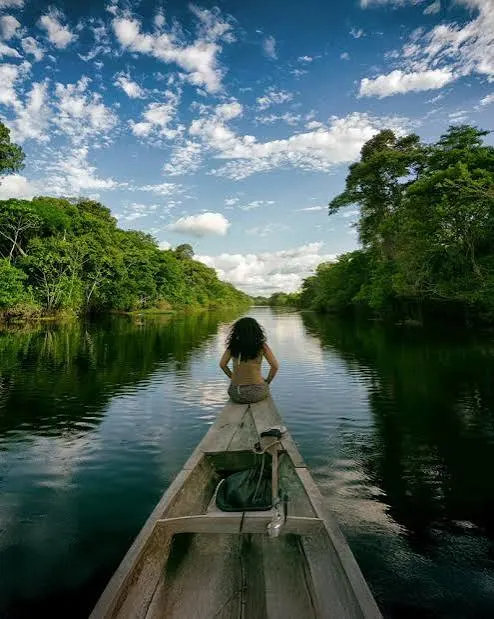
The Amazon River in rainy season changes dramatically as tributaries and surrounding landscapes receive increased rainfall.
Water levels rise, channels expand, and floodplains become increasingly connected to the main river system.
This creates a constantly changing aquatic environment.
For river travelers, the difference between high water and low water can completely change the appearance of the landscape.
During high water, areas that look like ordinary forest during the dry season can become navigable waterways.
Amazon River Width in Rainy Season
The Amazon River width in rainy season varies enormously depending on the exact location.
There is no single width that represents the entire river.
The Amazon consists of a massive network of main channels, tributaries, islands, floodplains, side channels, and seasonal waterways.
When water levels rise, the river can spread across enormous floodplain areas.
In some locations, the apparent width becomes dramatically larger because water covers channels and low-lying forest.
Why the river appears much wider during high water
During the wet season:
- Tributaries carry more water.
- Floodplains become submerged.
- Side channels become connected.
- River islands may become smaller.
- Seasonal lagoons expand.
- Forest edges become flooded.
- Navigation routes can change.
The river therefore becomes more than a single channel. It becomes part of a gigantic interconnected aquatic landscape.
Rainy Season Wildlife in the Amazon
Rain influences almost every part of Amazonian wildlife ecology.
Animals may alter their feeding patterns according to the availability of fruit, insects, fish, flowers, and flooded habitats.
Fish become particularly important during high-water periods because they can move into flooded forest.
Birds take advantage of seasonal food resources, while mammals may alter their movements according to water availability.
Giant River Otters and High Water
Giant river otters are among the most fascinating aquatic mammals of the Amazon.
Higher water levels can create access to additional aquatic environments and channels.
Their presence around lakes, rivers, and oxbow systems makes them one of the species travelers hope to encounter during Amazon wildlife excursions.
Monkeys During the Wet Season
Monkeys remain active during the rainy season, although weather can influence when and where they are observed.
Rain itself does not stop rainforest wildlife from functioning.
Animals have evolved to live in an environment where rain is a normal part of life.
Some species become more difficult to spot during heavy rain because they seek shelter in dense vegetation.
Once the rain stops, however, the forest can suddenly become extremely active again.
Is the Rainy Season Good for an Amazon Rainforest Tour?
Yes. For many travelers, the rainy season can be an excellent time to visit the Amazon.
The ideal season depends on what type of experience you want.
Travelers interested in hiking and relatively drier conditions may prefer the lower-water season.
Travelers fascinated by rivers, flooded forests, aquatic wildlife, and lush vegetation may enjoy the rainy period.
Advantages of Visiting During the Rainy Season
More dramatic waterways
Higher river levels can create access to channels and flooded areas that may not be accessible during lower-water periods.
Extraordinary scenery
Rain makes the forest intensely green and produces dramatic reflections on rivers and lakes.
Unique wildlife habitats
Flooded forests create seasonal habitats for fish and other aquatic species.
Fewer conventional travel expectations
A rainy Amazon adventure can feel more wild and unpredictable.
Weather becomes part of the experience rather than something to avoid.
Exceptional photography
Cloud formations, wet vegetation, mist, reflections, and post-rain sunlight can produce spectacular photographic conditions.
Best Time to Visit Amazon Rainforest Peru
The best time to visit the Amazon rainforest Peru depends on your priorities rather than one universally perfect month.
For many visitors, the relatively drier months from approximately May through October are attractive because hiking trails are often easier to walk and rain interruptions may be less frequent.
However, the wet season from approximately November through April offers its own advantages.
The most important consideration is that the Amazon is a year-round destination.
Best Time for Wildlife
Wildlife can be observed throughout the year.
Rather than choosing a month based solely on weather, travelers should consider:
- Location of the lodge
- Distance from Puerto Maldonado
- Quality of guides
- Time spent inside the reserve
- Early-morning excursions
- Night excursions
- Lake visits
- River exploration
- Seasonal water levels
A deeper jungle lodge can provide a very different wildlife experience from accommodation located close to the city.
Best Time for Hiking
The comparatively drier season is generally more comfortable for travelers who want to spend long periods hiking.
Trails can still become muddy because this is a rainforest, but lower rainfall can make some walking conditions easier.
Good footwear is important throughout the year.
Best Time of Year for Amazon River Cruise
The best time of year for an Amazon River cruise depends on whether you prefer high-water or low-water conditions.
High-Water Season
High-water periods offer the opportunity to experience flooded forests and expanded waterways.
One of the most unusual experiences is traveling by boat through areas where trees stand directly in the water.
The scenery becomes more aquatic, and certain channels become accessible.
Low-Water Season
Lower-water periods reveal river beaches, exposed sandbars, muddy banks, and additional land.
Walking opportunities can increase in some areas, while the landscape becomes visually different.
Neither season is universally better.
They simply reveal different versions of the Amazon.
Rainy Season vs. Dry Season in the Amazon
| Feature | Rainy Season | Dry Season |
|---|---|---|
| Rainfall | More frequent | Less frequent |
| River levels | Higher | Lower |
| Flooded forest | More extensive | Less extensive |
| Hiking | Often muddier | Often easier |
| Canoe routes | Expanded in some regions | More limited in some areas |
| Vegetation | Extremely lush | Still lush |
| Humidity | Very high | High |
| Wildlife | Excellent year-round | Excellent year-round |
| River beaches | Less exposed | More exposed |
| Photography | Dramatic clouds and reflections | Brighter conditions |
| Weather | More unpredictable | Generally more stable |
The table shows why choosing between the two seasons is more about personal preference than finding a single “correct” time.
Interesting and Unusual Facts About Rain in the Amazon
The Amazon Makes Some of Its Own Rain
One of the most fascinating characteristics of the rainforest is the enormous amount of water released into the atmosphere by vegetation.
Trees absorb water from the soil and release water vapor through a process called transpiration.
Combined with evaporation from rivers, lakes, wetlands, and soil, this contributes to atmospheric moisture.
The forest is therefore deeply connected to its own water cycle.
Rain Can Create New Highways for Fish
When rivers rise, fish can move into flooded forests.
Trees that were previously terrestrial structures become part of an aquatic habitat.
This seasonal connection between rivers and forests is one of the Amazon’s most remarkable ecological phenomena.
A Rainstorm Can Change the Forest in Minutes
A rainforest storm can transform the appearance of the landscape extremely quickly.
Bright sunshine can disappear beneath dark clouds, wind can move through the canopy, rain can fall intensely, and streams can become dramatically louder.
Afterward, the forest may become quiet for several minutes before insects, birds, frogs, and other animals begin becoming active again.
The Amazon Is Not Climatically Identical Everywhere
There is no single Amazon climate.
The enormous basin includes regions with different rainfall patterns, temperatures, river systems, elevations, and seasonal cycles.
This is why information about the Amazon rainforest should always be interpreted according to the specific destination.
The weather in the Peruvian Amazon can be very different from conditions in another part of the Amazon Basin.
Does Rain Make an Amazon Tour Less Enjoyable?
Not necessarily.
Rain is part of the identity of the rainforest.
Many travelers arrive hoping for sunshine every day, but experiencing a tropical downpour can become one of the most memorable parts of an Amazon adventure.
The sound of rain hitting the canopy, the smell of wet vegetation, mist above the river, and the sudden return of wildlife after a storm create experiences that cannot be replicated in a dry environment.
The key is preparation.
A good rain jacket, waterproof protection for electronics, appropriate footwear, and flexible daily planning can make a major difference.
Tips for Visiting the Amazon During the Rainy Season
Choose the Right Clothing
Avoid heavy cotton clothing that remains wet for hours.
Quick-drying fabrics are more practical.
Long sleeves and trousers also provide protection from insects and vegetation.
Protect Your Electronics
Use waterproof bags or dry bags for:
- Phones
- Cameras
- Batteries
- Memory cards
- Passports
- Important documents
Humidity itself can also be a problem, so keeping electronics protected is useful even when it is not raining.
Bring Comfortable Footwear
Rainforest trails can become muddy.
Comfortable shoes with good traction are more useful than fashionable footwear.
Depending on the destination and tour, rubber boots can also be extremely practical.
Be Flexible
Rain can cause activities to be rearranged.
A lake excursion may take place before a storm, while a hike is moved to another period of the day.
This flexibility is normal in rainforest travel.
Wildlife guides constantly adapt to conditions.
Is the Amazon Worth Visiting During the Rainy Season?
Absolutely.
The rainy season in the Amazon reveals a side of the rainforest that cannot be experienced during lower-water periods.
Rivers rise, forests flood, wildlife adapts, and waterways expand.
For some travelers, this is the most fascinating time to experience the Amazon.
The key is understanding that the rainforest does not stop functioning because of rain.
It is precisely because of rain that the ecosystem exists.
The Amazon is a living system built around water.
Final Guide to the Rainy Season in the Amazon
The rainy season in the Amazon rainforest is not simply a period of bad weather. It is an essential ecological season that transforms the entire landscape.
In the Peruvian Amazon, the wetter period generally occurs from around November through April, while the comparatively drier period is commonly associated with May through October. However, rain can occur at any time of year.
It does not necessarily rain every day, and even when rain occurs, it may last only part of the day. Tropical storms can be intense but short, followed by sunshine and renewed wildlife activity.
The Amazon River in rainy season rises and expands into surrounding floodplains, creating temporary aquatic forests and opening waterways that may be inaccessible during low-water periods.
For travelers, the best time to visit depends on what they want to experience.
Choose the drier season if your priority is hiking, generally more stable weather, and exposed river beaches.
Choose the rainy season if you are fascinated by flooded forests, high rivers, lush vegetation, dramatic tropical storms, and the extraordinary transformation of the Amazon water system.
Most importantly, there is no single month that defines the “best Amazon experience.”
The rainforest changes continuously.
Every season reveals a different Amazon.
And for travelers willing to embrace the rain, the wet season can provide one of the most memorable and authentic ways to experience the world’s greatest tropical rainforest.
Leave a Reply