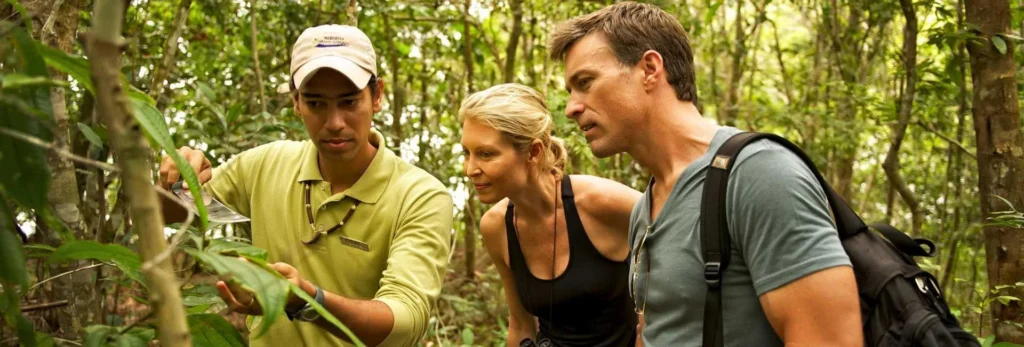
The Amazon jungle survival experience is unlike almost any other wilderness adventure. The Amazon rainforest is enormous, intensely humid, crossed by powerful rivers, and home to an extraordinary variety of plants and animals. For travelers, guides, researchers, and adventurers, understanding how to remain safe in this environment is more important than trying to imitate extreme survival television.
A good Amazon jungle survival guide focuses on preparation, water, shelter, navigation, weather protection, first aid, and knowing when to seek help. The Amazon can be challenging, but many risks can be reduced through sensible planning and experienced local guidance.
Whether you are preparing for an expedition, considering an Amazon jungle survival course, or simply want to understand how people survive in tropical rainforest environments, the key principle is simple: avoid emergencies before they happen.
What Makes Amazon Jungle Survival So Challenging?
The Amazon rainforest presents a combination of environmental challenges that can become serious surprisingly quickly. Heat and humidity can cause dehydration, rain can make clothing and equipment constantly wet, dense vegetation can make navigation difficult, and rivers may change dramatically with seasonal flooding.
Unlike a dry wilderness, where finding water may be the biggest challenge, tropical rainforest survival involves managing too much water as well as too little. Rainfall can be abundant, yet untreated water from streams, puddles, or rivers may contain microorganisms capable of causing illness.
Another unusual characteristic is the density of life. The forest may appear quiet while containing insects, birds, amphibians, reptiles, mammals, and countless microorganisms. Most wildlife does not actively seek encounters with humans, but careless behavior around animals, food, or water can create unnecessary risks.
The Most Important Survival Principle
Preparation is more valuable than improvisation.
Someone who enters the jungle with reliable navigation equipment, water-treatment methods, appropriate clothing, first-aid supplies, communication equipment, and knowledge of the route is in a much stronger position than someone relying exclusively on primitive survival skills.
Essential Amazon Jungle Survival Skills
The most important Amazon jungle survival skills are practical rather than dramatic. Finding safe water, protecting yourself from rain and insects, maintaining orientation, creating a dry resting place, and communicating an emergency are generally more useful than attempting complicated survival techniques.
Finding and Purifying Water
Water is one of the highest priorities in any survival situation. In the Amazon, rainwater can sometimes provide an excellent emergency source when collected correctly, but surface water should not automatically be considered safe simply because it looks clean.
A survival strategy should ideally combine water collection and water purification. Portable filters, chemical treatment, and appropriate boiling methods can make potentially contaminated water safer, although different treatment methods have different limitations.
How to Find Water in the Jungle
Potential sources include:
- Rainwater collected from clean surfaces
- Flowing streams
- Small tributaries
- Larger rivers
- Water collected with appropriate containers
- Certain plant sources when their identification is absolutely reliable
If you are stranded, prioritize a water source that can be treated rather than drinking directly from an unknown river or stream.
How to Purify Jungle Water
The appropriate method depends on the equipment available. Boiling can destroy many disease-causing organisms, while portable filtration systems can remove many particles and microorganisms. Chemical purification can also be useful when applied according to the product’s instructions.
A particularly important rule is do not assume clear water is safe water. Some pathogens cannot be detected by sight, smell, or taste.
Finding Food
Finding food becomes important during prolonged survival situations, but it should generally come after water, shelter, navigation, and communication.
The Amazon contains thousands of edible plants, fruits, seeds, fish, and other potential food sources. However, its biological richness creates a serious identification problem: an unfamiliar plant can be difficult to distinguish from a harmless species, and some plants may cause poisoning or severe irritation.
A Safer Approach to Jungle Food
If you do not have extensive botanical knowledge, avoid experimenting with unknown plants.
Potential food resources can include:
- Familiar edible fruits that have been positively identified
- Fish caught using appropriate methods
- Known edible plant species
- Foods carried in your emergency supplies
In a planned expedition, carrying compact high-energy food is considerably safer than assuming you will be able to forage successfully.
An Unusual Amazon Survival Fact
The rainforest’s incredible abundance of life can create the illusion that food should be easy to find. In reality, biological diversity does not necessarily mean easy access to calories. Much of the vegetation is inaccessible, seasonally unavailable, difficult to identify, or unsuitable for human consumption.
Building a Jungle Shelter
A jungle shelter has one primary purpose: protect your body from the environment.
In the Amazon, staying dry can be extremely difficult because rainfall may arrive suddenly and humidity can remain high even after the rain stops. A good shelter should protect against rain while keeping you away from wet ground.
Where to Build a Shelter
Location is as important as construction.
Avoid:
- Riverbanks vulnerable to sudden rises
- Depressions where water collects
- Areas beneath unstable branches
- Animal trails
- Recently flooded ground
- Places showing signs of soil instability
A slightly elevated, stable location with natural drainage is generally preferable.
What a Jungle Shelter Should Provide
A useful shelter should provide:
- A roof against rain
- Separation from wet ground
- Protection from wind
- Space for basic equipment
- A location that remains easy for rescuers to identify
In a real emergency, a simple shelter made from a waterproof tarp can be far more practical than spending hours constructing a complicated structure.
Making Fire in the Amazon Jungle
Fire can provide warmth, help dry clothing, prepare food, and provide psychological reassurance. However, the Amazon’s humidity can make starting a fire surprisingly difficult.
The challenge is not necessarily finding wood. It is finding dry, usable tinder and fuel after rainfall.
Basic Fire Strategy
A practical fire setup involves:
- Protecting the fire area from excess moisture.
- Finding the driest available tinder.
- Starting with very small combustible material.
- Gradually adding increasingly larger fuel.
- Maintaining ventilation around the fire.
- Keeping the fire controlled and away from vegetation.
Fire should never be left unattended, especially in dry periods when vegetation can ignite more easily than expected.
Navigation in the Amazon Jungle
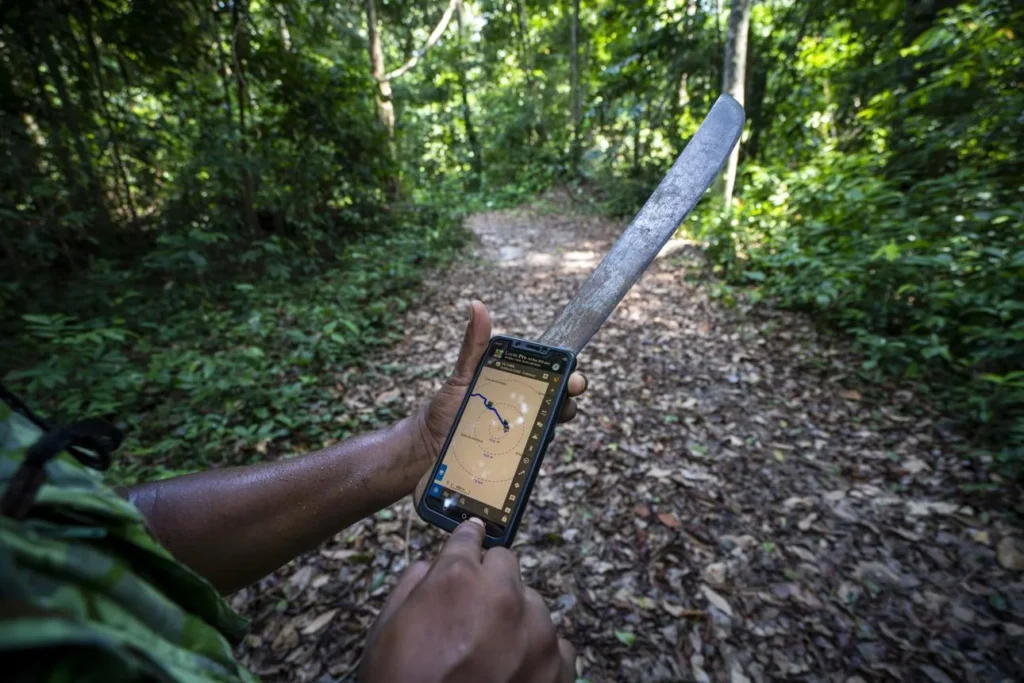
Navigation is among the most important Amazon jungle survival skills because dense vegetation can make familiar-looking locations appear almost identical.
Walking without a clear navigation strategy can quickly create a larger emergency.
Essential Navigation Methods
Carry more than one way to determine your position:
- GPS device
- Offline maps
- Compass
- Physical map
- Preplanned route
- Emergency communication device
A GPS is useful, but electronic devices can fail because of water exposure, battery depletion, physical damage, or poor signal conditions. A compass and basic map-reading skills provide an important backup.
Why Getting Lost Happens So Easily
Dense rainforest vegetation can block distant landmarks. Rivers may appear similar at different points, trails can divide unexpectedly, and natural features may be difficult to recognize from ground level.
If you realize you are lost, stop before making the situation worse.
Continuing to walk randomly usually increases the area that rescuers must search and can make returning to a known location much more difficult.
Staying Dry and Protected
One of the most underrated Amazon jungle survival skills is controlling moisture.
Constantly wet clothing can contribute to skin irritation, discomfort, blisters, fungal problems, and loss of body heat under certain circumstances. Even when temperatures are warm, prolonged exposure to wet conditions can make a person exhausted.
Practical Moisture Management
- Use quick-drying clothing.
- Keep essential items in waterproof bags.
- Protect your sleeping area from ground moisture.
- Carry rain protection.
- Dry wet clothing whenever conditions allow.
- Separate wet and dry equipment.
- Protect electronics from condensation and rain.
A waterproof bag containing communication equipment, medication, navigation tools, fire-starting equipment, and emergency food can become extremely valuable if the rest of your backpack gets soaked.
How to Stay Safe in the Amazon Jungle
Amazon jungle safety begins before entering the forest. Tell someone your itinerary, understand the route, check expected weather conditions, and know how you will communicate if something goes wrong.
The safest approach is to avoid preventable emergencies rather than depending on survival skills after an accident.
Insects and Parasites
Insects are an unavoidable part of tropical rainforest environments. Mosquitoes, biting flies, ticks, ants, and other arthropods can cause painful bites and may transmit diseases in some regions.
Protection should include:
- Long-sleeved clothing
- Long trousers
- Appropriate insect repellent
- Socks and closed footwear
- A mosquito net when sleeping
- Checking clothing and equipment regularly
Avoid placing hands into holes, under logs, inside crevices, or beneath vegetation without first checking the area.
Why Insects Are Such an Important Survival Issue
The biggest concern is not always the bite itself. In tropical environments, insects can act as vectors for pathogens. This makes prevention more valuable than repeatedly treating bites after they occur.
Wildlife in the Amazon
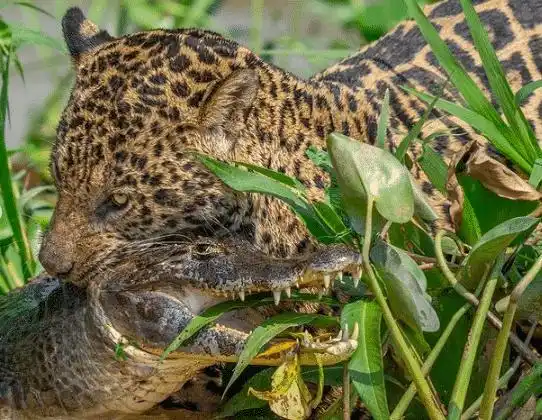
The Amazon is famous for jaguars, anacondas, caimans, monkeys, macaws, river dolphins, giant otters, snakes, frogs, and thousands of other species.
However, popular imagination sometimes exaggerates the likelihood of dramatic wildlife encounters.
Most wild animals prefer to avoid people. The best survival strategy is therefore respectful distance rather than confrontation.
Wildlife Safety Rules
- Never intentionally approach wild animals.
- Do not feed wildlife.
- Keep food securely stored.
- Avoid surprising animals.
- Do not place hands into hidden spaces.
- Follow the instructions of experienced guides.
- Give animals an escape route.
If you encounter a potentially dangerous animal, avoid sudden aggressive behavior and follow the safety procedures appropriate to the species and situation.
What Is Unusual About Amazon Wildlife?
The extraordinary part of Amazon wildlife is not simply the number of famous large animals. Much of the ecosystem’s diversity comes from small organisms, insects, amphibians, plants, fungi, and microscopic life that are rarely noticed by visitors.
The forest can therefore be biologically spectacular even when you do not see a large mammal.
Tropical Weather and Amazon Survival
Weather can change quickly in rainforest environments. Heavy rainfall can arrive unexpectedly, and humidity can remain extremely high.
Rain itself is not necessarily the greatest danger. The combination of rain, exhaustion, wet equipment, slippery ground, swollen streams, and reduced visibility can create a chain of problems.
Prepare for Heavy Rain
Before entering the forest:
- Check the weather forecast.
- Carry waterproof protection.
- Protect maps and electronics.
- Keep emergency supplies sealed.
- Avoid unnecessary river crossings during heavy rain.
- Monitor changing water levels.
The ability to remain comfortable and functional during prolonged rain can make a major difference in an emergency.
Rivers and Flooded Areas
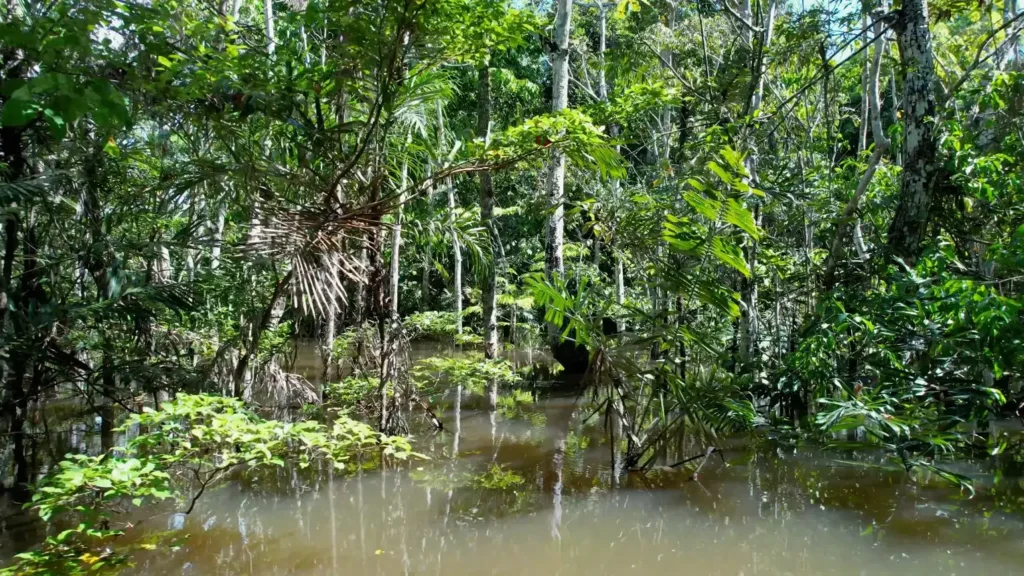
Rivers are central to Amazonian life and transportation, but they can also become significant hazards.
Water levels can change with rainfall upstream, and apparently calm water may contain strong currents. Flooded forest can also hide submerged branches, holes, debris, and other obstacles.
River Safety
Never assume that a shallow-looking section is safe to cross.
Before attempting any crossing, consider:
- Current speed
- Water depth
- Weather conditions
- Recent rainfall
- Visibility
- River width
- Exit points
- Whether crossing is actually necessary
If conditions are uncertain, waiting or seeking an alternative route is usually safer than taking unnecessary risks.
Injuries and Basic First Aid
Small injuries can become more serious in tropical environments because heat, moisture, dirt, and microorganisms can complicate wounds.
A basic first-aid kit should allow you to manage common problems until professional medical assistance becomes available.
Useful First-Aid Supplies
Consider carrying:
- Adhesive bandages
- Sterile gauze
- Medical tape
- Antiseptic supplies
- Blister treatment
- Elastic bandage
- Tweezers
- Disposable gloves
- Wound dressings
- Personal medications
- Basic pain-relief medication
- Emergency blanket
For serious injuries, the priority is to control immediate threats, stabilize the injured person, communicate for help, and avoid unnecessary movement.
Snakebite Situations
Snakebite emergencies require professional medical evaluation. If a bite occurs, keep the person as calm and still as possible and seek emergency assistance immediately.
Do not rely on improvised methods such as cutting the wound, attempting to suck out venom, or applying unsafe tourniquets.
What to Take for Amazon Jungle Survival
The best survival equipment is not necessarily the largest or most expensive collection of gear. It should be lightweight, reliable, waterproof, and easy to use under stress.
Appropriate Clothing
Clothing should protect you from insects, rain, vegetation, and intense humidity while remaining breathable.
Useful choices include:
- Lightweight long-sleeved shirts
- Long trousers
- Moisture-wicking layers
- Comfortable socks
- Sturdy closed footwear
- Rain jacket or poncho
- Wide-brimmed hat
- Lightweight gloves when appropriate
Neutral, practical clothing is usually more useful than heavy clothing designed for colder environments.
Water Purification Equipment
A good water system can include several layers of protection.
Consider carrying:
- Portable water filter
- Water purification tablets
- Durable water bottles
- Collapsible water container
- Metal container suitable for heating water
- Backup purification method
Having a backup is particularly important during longer expeditions.
First-Aid Supplies
Your first-aid kit should reflect the duration and remoteness of the trip.
A short guided excursion may require a compact personal kit, while a remote expedition needs substantially more preparation.
Include supplies for:
- Cuts
- Scrapes
- Blisters
- Minor burns
- Sprains
- Insect bites
- Basic wound cleaning
- Personal medical needs
Everyone in the group should know where the first-aid kit is located.
Navigation Tools
Navigation equipment should include redundancy.
Recommended Navigation Equipment
- Compass
- Waterproof map
- GPS device
- Offline digital maps
- Spare batteries
- Portable power bank
- Waterproof equipment pouch
Before leaving, learn how to use your navigation equipment. Carrying a compass does little good if you have never practiced using one.
Emergency Communication Equipment
Communication equipment can be one of the most important items in a remote jungle environment.
Depending on the location and expedition, emergency equipment may include:
- Satellite communication device
- Emergency beacon
- Whistle
- Charged mobile phone
- Portable power bank
- Backup batteries
Before departure, establish a communication plan that includes your route, expected return time, emergency contacts, and what should happen if you fail to check in.
Amazon Jungle Survival Courses
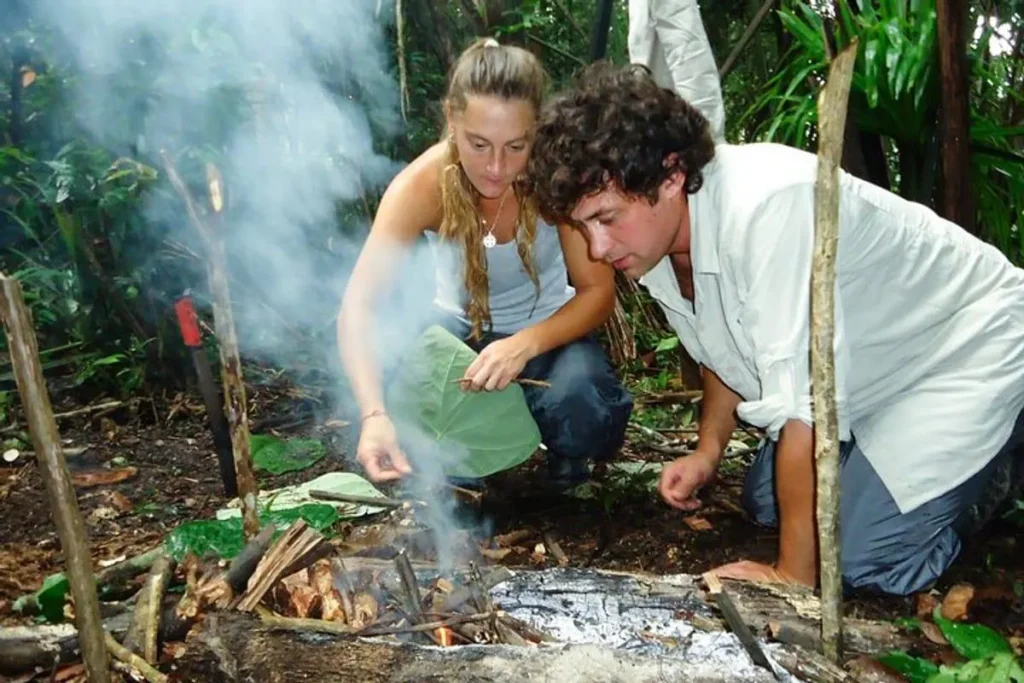
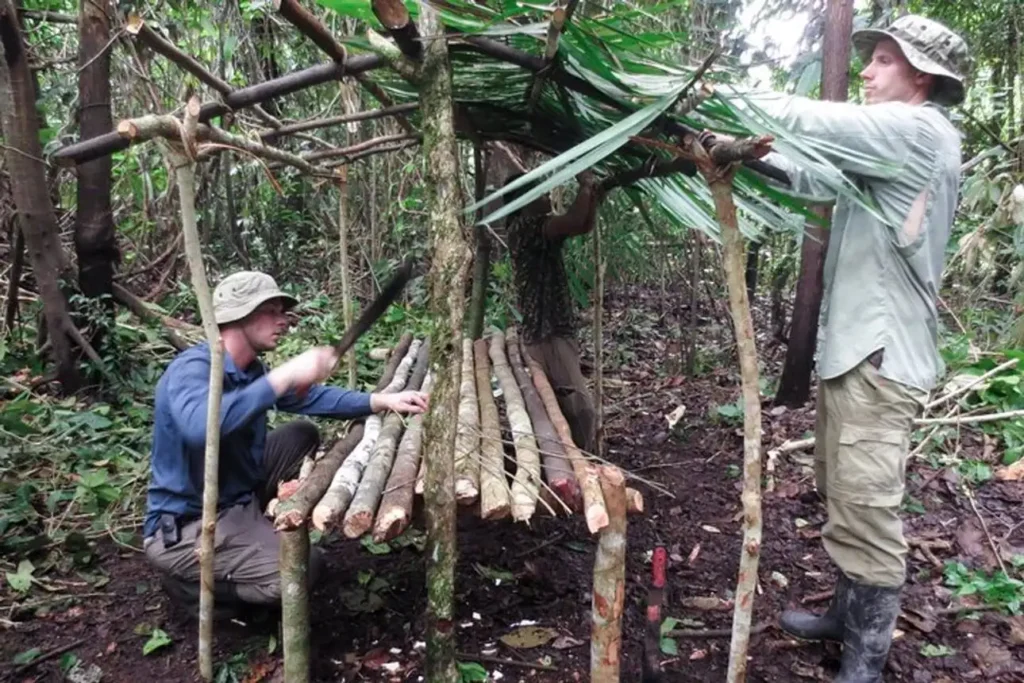
An Amazon jungle survival course can provide practical experience that is difficult to gain by reading about survival techniques.
A good course should teach participants how to make decisions in a tropical environment rather than simply demonstrate dramatic primitive skills.
What You Can Learn in an Amazon Jungle Survival Course
Depending on the program, training may include:
- Jungle navigation
- Shelter construction
- Water collection
- Water purification
- Fire preparation
- Tropical plant identification
- Basic first aid
- Wildlife awareness
- River safety
- Emergency procedures
- Equipment preparation
Hands-on practice is particularly valuable because survival techniques often behave differently in wet tropical conditions than they do in dry or temperate environments.
Who Should Consider a Survival Course?
Courses can be useful for:
- Outdoor enthusiasts
- Expedition participants
- Researchers
- Photographers
- Adventure travelers
- Jungle guides
- Students of tropical environments
- People interested in wilderness skills
The most valuable course is one that emphasizes risk management, local environmental knowledge, and responsible behavior, rather than encouraging unnecessary danger.
Amazon Jungle Survival: Skills vs. Modern Technology
Modern technology has changed wilderness survival dramatically.
A person entering the Amazon today can carry GPS navigation, satellite communication, water filtration, rechargeable lighting, weather information, and emergency signaling equipment in a small backpack.
This does not make traditional knowledge irrelevant. Instead, the strongest strategy combines local knowledge with modern equipment.
For example, knowing how to construct a basic shelter remains useful if your tent becomes damaged. Understanding navigation remains important if your GPS battery dies. Knowing how to purify water remains essential even when your filter becomes clogged.
The Best Survival Strategy Is Redundancy
Do not depend on a single system for a critical task.
Think in layers:
Navigation: GPS + compass + map
Water: filter + chemical treatment + boiling capability
Communication: phone + emergency communicator + whistle
Shelter: tent or hammock + tarp + emergency cover
Fire: lighter + waterproof backup method
Lighting: headlamp + backup light + spare power
This approach dramatically improves resilience when equipment fails.
What Is Unusual About Amazon Jungle Survival?
The Amazon challenges some common assumptions about wilderness survival.
1. Water Can Be Abundant but Unsafe
You may hear water everywhere while still needing to carefully treat what you drink.
2. Rain Can Be Both a Resource and a Problem
Rain provides potential drinking water, but it can also flood paths, damage equipment, increase river levels, and make navigation difficult.
3. The Forest Can Hide Major Geographic Features
Large rivers, hills, and clearings can be surprisingly difficult to recognize when viewed from inside dense vegetation.
4. Small Problems Can Become Large Problems
A blister can become a mobility problem. A wet sleeping area can ruin your rest. A minor navigation error can become several hours of unnecessary walking.
5. The Most Important Survival Skill Is Decision-Making
Knowing when not to continue, not to cross a river, not to eat an unknown plant, or not to approach wildlife may save more trouble than any advanced survival trick.
Current Considerations for Amazon Jungle Survival
Modern Amazon travel is increasingly influenced by changing environmental conditions, expanding tourism, changing river levels, extreme rainfall events, wildfire risks in some areas, and the importance of responsible tourism.
These conditions make trip planning especially important. Travelers should check local conditions before entering remote areas rather than relying exclusively on general information about the Amazon.
The Amazon is not one uniform environment. Conditions in Peru, Brazil, Colombia, Bolivia, Ecuador, Venezuela, Guyana, Suriname, and French Guiana can differ considerably.
For this reason, local knowledge is one of the most valuable survival resources available.
Amazon Jungle Survival Checklist
Before entering a remote rainforest environment, review the following checklist.
Personal Protection
- Long-sleeved clothing
- Long trousers
- Appropriate footwear
- Rain protection
- Insect repellent
- Head protection
- Mosquito protection
Water
- Water bottles
- Water filter
- Backup purification method
- Water container
- Method for heating water
Shelter
- Tent, hammock, or appropriate shelter
- Tarp
- Ground protection
- Waterproof bags
- Emergency cover
Navigation
- Physical map
- Compass
- GPS
- Offline maps
- Spare batteries or power bank
First Aid
- Wound dressings
- Gauze
- Medical tape
- Antiseptic supplies
- Blister treatment
- Personal medications
- Elastic bandage
Emergency Communication
- Charged phone
- Emergency communication device
- Whistle
- Backup power
- Emergency contact plan
Final Amazon Jungle Survival Tips
The best Amazon jungle survival guide is not about conquering the rainforest. It is about learning how to move through the environment respectfully while reducing unnecessary risks.
Prioritize water, shelter, navigation, weather protection, communication, and first aid. Treat unknown water and plants cautiously. Maintain a safe distance from wildlife. Never underestimate rivers or rapidly changing weather. Most importantly, tell someone where you are going and establish a clear emergency plan before entering remote areas.
For beginners, guided experiences and properly designed Amazon jungle survival courses can provide an excellent introduction to tropical wilderness skills. Experienced local guides can also offer knowledge about terrain, rivers, wildlife, plants, weather patterns, and regional conditions that cannot be learned from a generic survival manual.
The Amazon is one of the most extraordinary environments on Earth, but surviving and traveling through it successfully does not require taking unnecessary risks. Preparation, awareness, respect for nature, and good decision-making are the real survival skills.
Leave a Reply